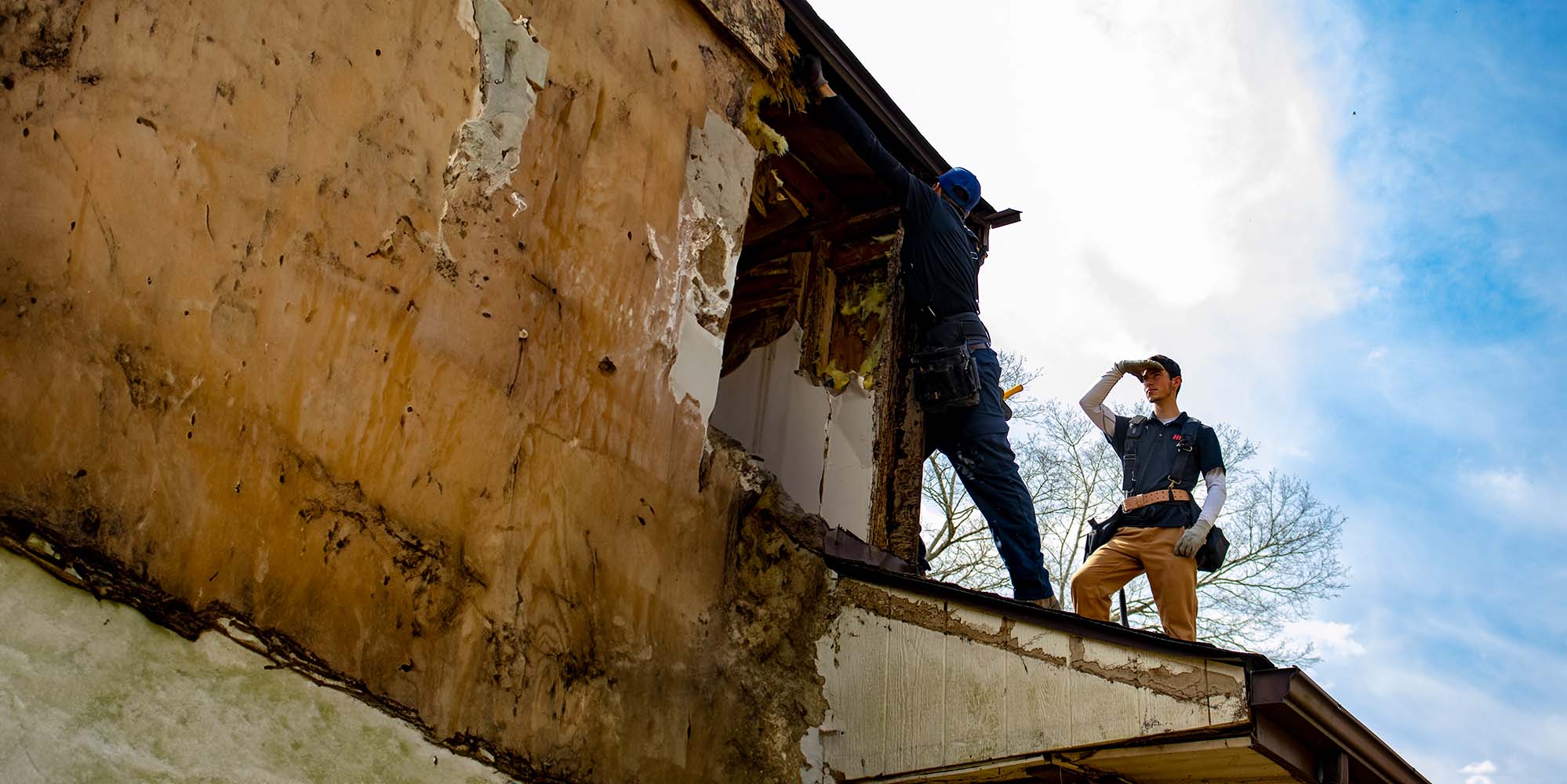

Storm Damage Restoration
Your trusted partner for professional home services. Quality workmanship, guaranteed satisfaction.

Storm Damage Restoration | Roofing
When the unexpected happens and a storm leaves your roof in disarray, HEP's Roofing is here to restore your peace of mind. Our expert team specializes in quick and reliable storm damage restoration, making sure your home is protected from further harm. We don't just fix roofs; we rejuvenate them with quality materials and precise workmanship. From assessing the damage to navigating insurance claims, we've got you covered every step of the way. Trust HEP's Roofing to bring your home back to its best after a storm.
Contact us today to restore security and beauty to your home!
What Our Customers Say


Tennessee’s Unique Storm Climate and Its Impact on Residential Roofing
Tennessee sits at a geographical crossroads where humid subtropical air masses collide with cooler systems sweeping down from the Midwest and the Appalachians. This convergence gives rise to a volatile storm season marked by:
- Sudden temperature shifts that fuel thunderstorm updrafts
- Rapidly forming supercells that can spawn small-scale tornadoes
- Hailstones ranging from pea-size to golf-ball size
- Straight-line winds exceeding 60 mph
These conditions put continuous stress on asphalt shingles, metal panels, flashing, and roof decking. Even homes that look unscathed from ground level often conceal compromised roof components after a single strong front. For property owners, understanding this climate context is the first step toward proactive storm damage restoration that preserves structural integrity and home value.
Common Types of Storm Damage Found on Tennessee Roofs
Storm systems leave behind a variety of roofing defects. HEP’s restoration specialists frequently document the following:
- Missing or lifted shingles caused by wind uplift
- Granule loss exposing the asphalt base layer
- Punctures from wind-blown debris or hail impact
- Creased shingle tabs, a sign of partial shingle detachment
- Bent or dislodged drip edges and flashing
- Dented metal valleys and ridge vents
- Saturated underlayment leading to hidden decking rot
- Clogged or detached gutters that redirect water toward fascia
Left untreated, any single item on this list can evolve into complex water intrusion problems affecting ceilings, insulation, and framing.
Why Immediate Roofing Storm Damage Restoration Matters
Delays in addressing storm damage escalate repair scope and cost. Moisture infiltrates underlayment, encourages mold growth in attics, and undermines insulation R-values. In Tennessee’s humid environment, damp wood decking can host decay fungi within weeks. On insurance timelines, most policies require prompt mitigation of further loss. Acting swiftly with a proven restoration process safeguards both claim eligibility and a home’s structural health.
HEP’s Comprehensive Storm Damage Restoration Approach
HEP relies on an integrated workflow designed to bring roofs back to code-compliant condition while minimizing homeowner disruption.
Initial Roof Inspection and Damage Assessment
Certified inspectors ascend the roof, documenting impact points, wind paths, and material distress. Drones supplement foot-on-shingle evaluation when steep slopes or fragile coverings demand additional vantage points. The technician builds a photo-rich assessment highlighting both obvious and latent storm effects.
Detailed Damage Documentation for Insurance Claims
HEP compiles date-stamped imagery, material samples, and measurement diagrams. This packet aligns with the requirements of most major property carriers, easing the adjustment review and reducing back-and-forth requests that delay settlement.
Emergency Protective Measures
If storms have created active leaks, crews install reinforced polyethylene sheeting or shrink-wrap membranes over damaged sections. Gutters and downspouts are temporarily stabilized to channel rainwater away from the building envelope until permanent repairs begin.
Specialized Storm Debris Removal
Fallen limbs, shattered tile fragments, and loose fasteners are cleared using low-pressure air blowers and soft-bristled brooms that protect still-intact surfaces. Disposal follows Tennessee solid-waste regulations, and recyclables such as aluminum flashing are diverted from landfills whenever possible.
Precision Roof Repair and Component Replacement
HEP technicians match replacement shingles or panels by manufacturer line, color blend, and exposure profile to meet HOA and neighborhood guidelines. When hail has bruised underlayment, only full-sheet replacement ensures proper moisture barrier continuity. Flashing is upgraded to thicker gauge metal for enhanced wind resistance.
Final Quality Assurance Inspection
A separate quality supervisor performs a secondary walkthrough, verifying fastener patterns, seam seals, and ventilation clearances. Thermal imaging confirms the absence of residual moisture hot spots. All data enters HEP’s digital record system, creating a verifiable service history for future real-estate transactions.
Advanced Roofing Materials and Techniques Employed by HEP
Impact-Resistant Shingle Options
Class 4 UL-rated asphalt shingles with rubberized asphalt cores withstand hail strikes and wind gusts better than traditional three-tab products. Their pliability also reduces cracking during Tennessee’s winter freeze-thaw cycles.
High-Performance Underlayment Systems
Self-adhering membranes with SBS-modified bitumen provide a watertight seal around nails and fasteners. Synthetic underlayments add tear strength, reducing blow-offs during high-velocity wind events.
Enhanced Ventilation and Moisture Control
Storm repairs offer an opportune moment to recalibrate attic ventilation. HEP installs ridge vents with external baffles and balances intake through soffit vents, lowering attic temperatures and minimizing condensation that can compromise decking.
Safety Protocols and Compliance Standards
HEP follows OSHA fall-protection mandates, including:
- Anchor-point installation for full-body harness tie-offs
- Temporary guardrails on low-slope edges
- Controlled access zones beneath active work areas
Every crew member carries certification for ladder safety and electrical hazard recognition, crucial when storms have downed power lines near roofing landscapes.
Working With Insurance Providers
Tennessee homeowners often rely on insurers to fund storm restoration. HEP liaisons speak the language of adjusters, referencing:
- Xactimate line-item codes for transparent cost projection
- International Residential Code (IRC) citations for mandatory component replacement
- Manufacturer warranty stipulations that require full-system repairs instead of piecemeal patches
This expertise supports claim approval in line with policy coverage, ensuring property owners receive the scope of work necessary for a code-compliant roof.
Geographic Service Coverage Across Tennessee
East Tennessee Communities
HEP crews regularly mobilize to urban centers and mountainous enclaves alike, navigating steep-pitch roofs common in:
- Knoxville
- Maryville
- Sevierville
- Johnson City
Middle Tennessee Areas
Wider storm cells often impact the rolling hills of:
- Cookeville
- Murfreesboro
- Lebanon
- Columbia
Rural and Mountainous Regions
Remote cabins and farmhouses benefit from HEP’s fleet of 4×4 service vehicles designed to reach gravel roads in the Cumberland Plateau and Great Smoky foothills, where wind shear and ice storms introduce unique restoration challenges.
Preventive Maintenance Services After Storm Restoration
Scheduled Roof Health Checkups
Semi-annual inspections spot early signs of shingle granule loss, caulk deterioration around pipe boots, and nail back-out before they escalate into leak pathways.
Gutter and Downspout Optimization
Storm-borne debris accumulates quickly in Tennessee’s tree-rich suburbs. HEP fits gutter guards that block leaf entry while maintaining high water flow, reducing fascia rot and ice dam formation.
Attic Insulation and Moisture Monitoring
Post-storm evaluations include checking R-value performance and vapor barrier continuity. Infrared cameras detect hidden dampness pockets so corrective ventilation can be installed before mildew manifests.
Environmental Stewardship in Roofing Storm Damage Restoration
HEP prioritizes sustainability without compromising structural resilience. Recycled asphalt shingles are funneled into pavement manufacturing facilities. Old metal panels are sorted by alloy composition for smelting reuse. Low-VOC adhesives and sealants contribute to healthier indoor air quality once restoration work concludes.
Signs Your Tennessee Roof May Need Storm Damage Restoration
Untrained eyes can miss subtle cues. Watch for:
- Dark stains on interior ceilings
- Shingle edges curling upward
- Pebble-like granules collecting in gutter troughs
- Daylight visible from attic rafters
- Unexplained spikes in cooling or heating bills
Any of these indicators warrant a professional inspection, particularly after thunderstorms or hail events.
Myths and Misconceptions About Storm Damage Restoration
Storm-related roofing issues attract plenty of folklore. Clearing the air promotes sound decision-making.
-
“If I don’t see a leak, the roof is fine.”
Hidden underlayment punctures often take months to manifest as interior leaks. -
“New shingles won’t match the old ones.”
Manufacturer batch tracking and careful fade analysis allow near-seamless blending. -
“Insurance only pays for total replacement.”
Most carriers fund area-specific restoration that meets code. Documentation drives accurate scope. -
“DIY tarps are a long-term fix.”
Temporary coverings degrade under UV exposure; professional installation of durable membranes is essential.
Long-Term Benefits of Choosing HEP for Storm Damage Restoration
Selecting HEP extends advantages beyond the immediate repair cycle:
- Proactive storm monitoring alerts that advise homeowners when to schedule post-event inspections
- Digital service records stored in the cloud, enhancing property resale value
- Crew specialization in Tennessee building codes and regional storm patterns
- Access to premium material lines backed by enhanced manufacturer warranties
- Commitment to environmentally responsible disposal and recycling practices
By combining technical rigor with localized storm insight, HEP delivers roofing storm damage restoration that endures Tennessee’s challenging climate, preserves curb appeal, and protects occupants from the costly ramifications of unchecked water intrusion.
Building Code Requirements for Post-Storm Roof Replacement in Tennessee
Local jurisdictions adopt versions of the International Residential Code, and many counties reference wind speed maps that designate most of Tennessee in the 90–100 mph basic wind speed zone. HEP interprets these provisions to guarantee each restoration meets or exceeds:
- Required nailing patterns—typically a minimum of six nails per architectural shingle when wind speeds exceed 90 mph
- Underlayment installation per ASTM D226 or synthetic equivalents rated for high wind uplift
- Ice and water shield coverage along eaves in mountainous regions where freeze-thaw cycles promote ice dams
- Minimum ridge vent net free area for proper attic exhaust based on roof square footage
Ensuring compliance protects homeowners during permit finalization and lowers the risk of warranty voidance stemming from improper installation.
Storm Damage Restoration Tailored to Roof Material Types
Asphalt Shingle Roofs
Asphalt shingles dominate Tennessee residential neighborhoods due to affordability and diverse color palettes. HEP evaluates for:
- Hail bruising visible as dark, soft spots under loose granules
- Wind creases along the shingle’s tar bond strip
- Heat blisters amplified by UV exposure after granule loss
Replacement shingles are woven into existing courses with staggered joints to prevent water channels.
Standing Seam Metal Roofs
Metal panels deflect hail better than asphalt but can sustain:
- Oil-canning or panel warping from suction forces
- Fastener backing-out where hidden clips fail under uplift
- Coating microfractures that accelerate corrosion
HEP’s technicians retighten panel clips to manufacturer torque specs, apply color-matched seam sealant, and replace sections where the Kynar finish is compromised.
Architectural Tile and Slate
Tile and slate surfaces resist weather but are brittle under impact. Restoration involves:
- Careful removal of fractured pieces without disturbing surrounding tiles
- Custom flashing fabrication to preserve water-shedding channels
- Installation of modern underlayment membranes that counteract historical weaknesses in older felt systems
Proper ladder-lift and padded walk boards protect intact tiles during replacement.
The Homeowner Journey: What to Expect From First Call to Final Nail
Understanding each milestone helps property owners plan conveniently around the restoration timeline.
-
Discovery and Scheduling
A storm triggers concern; homeowners request HEP’s inspection. Appointment windows accommodate work shifts and school pickups. -
On-Site Inspection
The specialist performs rooftop and attic evaluation, photo-documents damage, and explains findings using plain language. -
Claim Support
Homeowners initiate the claim while HEP uploads documentation to the carrier’s portal, positioning the estimate within policy guidelines. -
Scope Review and Material Selection
Shingle color samples or metal panel chips are presented for homeowner approval, ensuring aesthetic consistency with neighborhood architecture. -
Production Phase
Crews arrive, set up safety equipment, remove damaged materials, and install new components. Weather contingencies are built into the schedule; work pauses if lightning enters a 10-mile radius. -
Clean-Up and Magnetic Sweep
Nails, flashing scraps, and shingle pieces are collected, and a high-gauss magnet sweeps lawns and driveways to safeguard pets, children, and vehicle tires. -
Quality Audit
The supervisor cross-checks completed work against the original scope, verifies ventilation improvements, and uploads final images for both homeowner and insurer records. -
Warranty Registration
HEP files the manufacturer warranty on behalf of the homeowner, closing the loop on the service cycle.
Avoiding the Top Post-Storm Roofing Mistakes
Storm aftermath can be disorienting, and missteps magnify repair challenges.
- Delaying an inspection while waiting for visible leaks invites hidden moisture decay.
- Signing contingency agreements with door-to-door solicitors without verifying licensing risks unfinished or sub-par work.
- Attempting to patch shingle layers with roof cement traps moisture and violates many manufacturer warranties.
- Power-washing hail-dented metal panels to “smooth out” indentations only strips protective coatings, leading to rust.
HEP educates homeowners on these pitfalls so informed decisions come naturally.
Integrated Water Management: From Roof to Foundation
Storm restoration doesn’t end at the drip edge. Rainwater must travel away from the home unimpeded. HEP audits:
- Gutter pitch to ensure a quarter-inch drop per ten feet of run
- Downspout discharge distances, recommending splash blocks or buried extensions that lead water at least five feet from the foundation
- Soil grading to maintain a positive slope away from basement walls
By treating the roof as the first component of a larger drainage ecosystem, HEP mitigates erosion, basement seepage, and landscape washouts.
Seasonal Preparedness Strategies for Tennessee Homeowners
Proactive routines minimize storm damage severity.
- Spring: Trim overhanging branches before thunderstorm season to reduce limb impact risk.
- Summer: Check attic ventilation fans and soffit vents for blockages, preventing heat buildup that can degrade shingle adhesives.
- Autumn: Clear gutters after leaf drop to maintain water flow during winter rains.
- Winter: Inspect attic insulation depth, targeting an R-49 value to reduce ice dam formation on roof edges.
HEP offers maintenance packages that align with these seasonal priorities, strengthening the roof’s resilience year-round.
Proudly Serving Our Community
Find your local experts in your neighborhood. We're just around the corner.