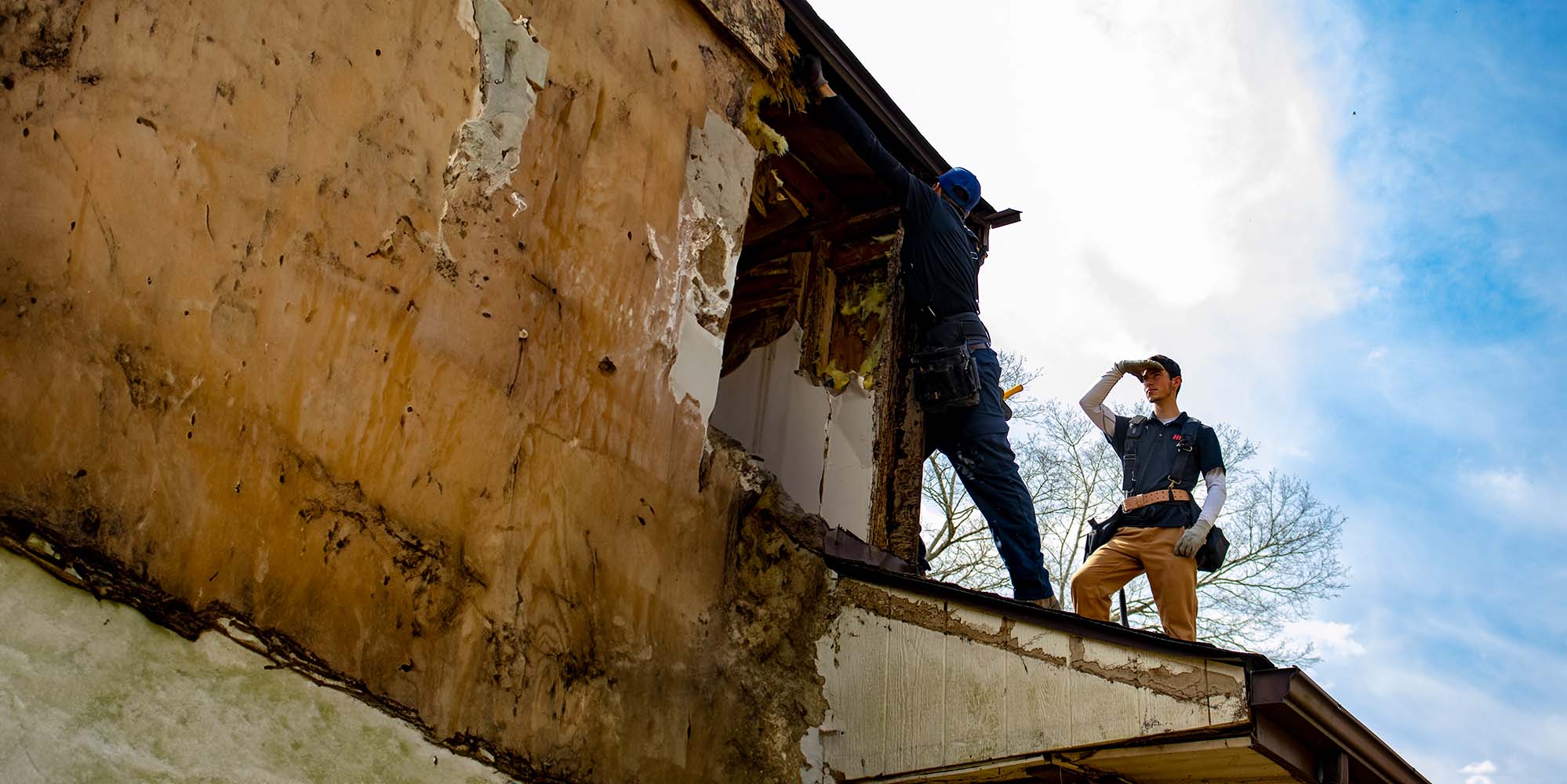

Storm Damage Restoration
Your trusted partner for professional home services. Quality workmanship, guaranteed satisfaction.

Storm Damage Restoration | Roofing | Farragut
Discover top-notch roofing and storm damage restoration services with HEP, proudly serving the Farragut community. When Mother Nature strikes, our skilled team is ready to restore your home with speed and precision. We handle everything from minor repairs to complete roof replacements, ensuring your property is safe and sound. Trust our experts to navigate insurance claims seamlessly while delivering exceptional workmanship that stands the test of time. Choose HEP – where your peace of mind is our priority.
What Our Customers Say


Farragut’s Unpredictable Weather and Roof Vulnerabilities
Sitting near the Tennessee River and surrounded by rolling hills, Farragut experiences micro-climates that can send an afternoon from sunny calm to pounding rain in minutes. Spring squall lines sweep in with fierce straight-line winds, while summer thunderstorms drop pockets of hail large enough to bruise asphalt shingles. Autumn cold fronts bring sudden pressure changes that can torque older roof decks, and winter occasionally layers ice, increasing weight loads. Because the town sits at the convergence of multiple weather systems, roofs in Farragut face a heavier-than-average mix of wind, moisture, temperature fluctuation, and flying debris. These factors accelerate deterioration and magnify minor defects into full structural threats.
Climate data for Knox County shows:
- Average of 50+ thunderstorm days per year
- Recorded wind gusts topping 70 mph in several spring events
- Hailstorms with stone diameters exceeding 1.25 inches every three to four years
- Rapid freeze-thaw cycles in late winter
A roof may be designed for decades of service, yet a single violent storm can shorten that lifespan dramatically. Understanding local weather behavior is the first step toward effective storm damage restoration.
Common Types of Storm Damage Affecting Farragut Roofs
Wind Damage
Straight-line winds and rotating gusts pressure-wash shingles from the edges inward. The uplift effect pulls nails through decking, creases tabs, and creates vulnerable entry points for water. Ridge caps and hip shingles detach most frequently, but edge metal can also twist, exposing the fascia.
Hail Impact
Hailstones vary in density; some shatter on impact, while others remain solid and punch granules away. The result is a spiderweb of bruised matting that cannot be seen from the ground. Granule loss accelerates UV degradation and leaves dark pockmarks that absorb heat, raising attic temperatures.
Heavy Rain and Flash Flooding
When rain intensity exceeds drainage capacity, water backs up under shingle courses. Older underlayment can tear, and valley metal may corrode at seams. Downpours also force water horizontally under ridge vents, soaking roof decking and attic insulation.
Fallen Debris and Tree Limbs
Large oak and maple limbs, common in Farragut’s established neighborhoods, act like battering bars when torn loose. Even small branches sliding down a roof can dislodge flashings at chimney and vent penetrations. Impact trauma may not puncture decking but often separates plywood seams, a hidden structural compromise.
Why Timely Storm Damage Restoration Matters
Delays after a storm often multiply repair scope. Moisture trapped in insulation breeds mold within 48 hours. Exposed nail holes rust in days, enlarging openings. Each rainfall that follows pushes water farther along trusses and wall cavities, eventually discoloring ceilings and compromising electrical runs.
Swift professional intervention:
- Halts water migration before it reaches drywall
- Preserves roof warranties that can be voided by neglect
- Reduces likelihood of structural rot in rafters and sheathing
- Keeps insurance claim costs contained, minimizing premium impact
HEP’s specialized storm damage restoration service focuses on immediate stabilization, thorough diagnosis, and durable repair, preventing escalation from localized shingle damage to full roof replacement.
HEP’s Comprehensive Roof Storm Damage Restoration Process
Initial Inspection and Damage Assessment
Certified roofing technicians deploy drones with 4K cameras for aerial mapping, then conduct hands-on walks when safe. They document:
- Missing, torn, or creased shingles
- Impact bruises and granule displacement patterns
- Flashing separations at chimneys, skylights, and valleys
- Soft spots in decking indicating saturation
- Gutter alignment and downspout capacity post-storm
Detailed photo logs and moisture-meter readings establish a clear baseline for restoration planning.
Temporary Protection Measures
Before permanent solutions begin, HEP crews secure the structure:
- Install reinforced polyethylene tarps fastened with furring strips, resisting wind lift up to 80 mph
- Apply waterproof underlayment patches over punctures
- Set up ridge vent plugs to block wind-driven rain
- Remove hanging debris to eliminate secondary impact risks
Material Matching and Sourcing
A critical service involves locating identical or visually compatible shingles to maintain curb appeal and value. HEP references manufacturer batch codes, color blends, and exposure patterns. For legacy roofs with discontinued products, technicians present homeowner options such as:
- Custom-blended shingle runs from specialty plants
- Transition courses that create an architectural accent while blending old and new materials
- Selective re-roofing of entire planes to ensure uniform appearance
Expert Repair and Restoration Techniques
Crews replace damaged sheathing with CDX plywood or OSB of matching thickness. Chalk lines ensure proper shingle offset and exposure. For underlayment, HEP favors high-temperature synthetic membranes that resist wrinkling under sun and stand up to Farragut’s thermal swings. Ice-and-water shield is installed in valleys even if code does not require it, adding redundancy against heavy runoff.
When flashing sections are missing or warped, technicians fabricate custom pieces from 26-gauge galvanized steel or copper, depending on aesthetic requirements. Counterflashing is ground-inserted into masonry joints at chimneys, preventing capillary moisture entry.
Final Quality Assurance
Upon completion, supervisors execute:
- Infrared scans at sunset to detect residual moisture spots
- Deck fastening check using electronic nail counters ensuring six-nail pattern for high-wind zones
- Gutter flow test with calibrated water volume to confirm unobstructed drainage
- Debris magnet sweep across lawn and flowerbeds
The roof system is considered fully restored only when it meets or exceeds original design performance.
Advanced Roofing Materials Preferred by HEP
Impact-Resistant Shingles
Class 4 rated asphalt shingles incorporate SBS rubber modifiers that flex under hail strike instead of fracturing. They carry UL 2218 certification and significantly reduce granule loss, an advantage in Farragut where hail recurrence is moderate but sudden.
Metal Roofing Panels
Standing-seam steel or aluminum panels interlock mechanically, delivering superior wind uplift resistance. With Kynar-based finishes, they survive UV exposure and resist chalking. Engineered clips allow thermal expansion, critical during Tennessee’s hot summers and chilly winters.
Modified Bitumen for Flat Sections
Low-slope areas over porches or dormers receive torch-down or self-adhered modified bitumen membranes. These dual-layer systems include a granulated cap sheet that disperses hail energy and a smooth base sheet providing waterproofing redundancy.
Indicators Your Farragut Home Needs Immediate Roof Attention
- Dark circles on interior ceilings after heavy rain
- Asphalt granules collecting in gutter downspouts following a storm
- Shingle edges lifting or tearing where wind caught the overhang
- Damp attic insulation or musty odors in upper rooms
- Daylight visible through roof boards when viewed from attic access
- Popped nails protruding above shingle surface, indicating deck movement
Addressing these signals promptly curbs further deterioration and maintains the structural integrity of the residence.
Navigating Insurance Claims with Documentation Support
Storm damage often qualifies for insurance coverage, but success depends on precise documentation. HEP compiles:
- Time-stamped aerial imagery showing susceptible zones
- Moisture and structural readings formatted for adjuster review
- Material spec sheets underscoring the necessity for like-kind replacement
- Detailed line-item repair scopes aligning with industry estimating software
Claim files built on solid technical evidence streamline approval processes and ensure homeowners receive coverage aligned with policy terms.
Preventive Measures to Strengthen Farragut Roofs
While restoration repairs the recent damage, strengthening the overall roofing system mitigates future storm impact. HEP recommends:
- Upgrading to six-nail shingle installation regardless of standard code’s four-nail minimum
- Adding starter strip adhesive lines along rake edges to combat wind uplift
- Installing continuous soffit vents and ridge vents for balanced attic airflow, reducing pressure gradients during storms
- Securing roof-mounted equipment such as satellite dishes with braced mounts rather than lag screws through shingles
- Pruning tree limbs to maintain clearance equal to the branch length from the trunk to roof surface
Sustainability and Energy Efficiency Considerations
Restoration projects present the opportunity to integrate green solutions:
- Cool-roof rated shingles in lighter, reflective colors decrease attic temperatures and lower HVAC loads
- Recycled-content underlayment reduces landfill waste without sacrificing performance
- Proper insulation during decking repair meets or exceeds R-38, minimizing energy loss
- Solar-ready flashing kits allow future panel installation without roof penetration modifications
Common Structural Challenges in Farragut Homes
Local construction practices over past decades created recurring structural nuances:
- Split-level homes often feature intersecting roof planes that form complex valleys susceptible to water pooling
- Cathedral ceilings lack traditional attic space, making ventilation and inspection difficult
- Older decking made of 3/8-inch plywood exhibits higher deflection under wind loads compared to modern 7/16-inch OSB standards
- Brick chimneys without cricket saddles catch runoff, a frequent leak source during heavy rain
HEP tailors restoration strategies to accommodate these structural particularities, ensuring long-term durability.
How Proper Ventilation and Insulation Protect Against Storm Damage
Balanced ventilation keeps attic temperatures closer to exterior ambient, reducing thermal shock when storms cause rapid cooling. Proper airflow:
- Minimizes condensation that could weaken decking
- Reduces ice dam formation by maintaining roof surface temperatures above freezing
- Lowers internal pressure spikes during high winds, decreasing uplift force on shingles
Complementary insulation slows moisture migration from living spaces, keeping roof components dry and resilient.
Gutter and Downspout Integration for Water Management
Storm restoration is incomplete without evaluating the water discharge system. HEP technicians inspect:
- Gutter slope to ensure water moves toward downspouts, not backward under drip edge
- Hanger spacing to prevent sagging under heavy rain load
- Downspout diameter adequacy relative to roof catchment area
- Splash block or extension placement diverting water away from foundation
Correctly calibrated water management avoids siding staining, basement seepage, and premature foundation wear.
Weather Monitoring Technologies Utilized by HEP
To anticipate service demand and schedule emergency crews efficiently, HEP tracks:
- NOAA Doppler radar updates for storm cell rotation and hail core detection
- Real-time wind gust reports from local weather stations and community sensors
- Lightning strike density maps to prioritize inspection safety protocols
- Historical storm data analytics to forecast material inventory requirements
This proactive approach shortens response times and enhances restoration outcomes.
Roof Restoration Safety Protocols Followed by HEP
Worker safety and property protection drive every site operation. Standard procedures include:
- Personal fall arrest systems anchored to ridge or structural framing
- OSHA-compliant ladder stabilizers and tie-offs for steep pitches
- Ground-level perimeter fencing to keep children and pets clear of work zones
- Fire extinguishers on-site during torch-down operations and generator use
- Daily tool and fastener inventory checks preventing stray debris in lawns
Adhering to rigorous safety measures not only safeguards crews but also minimizes homeowner liability.
The Role of Local Building Codes in Farragut Roof Restoration
Knox County building codes mandate specific performance criteria:
- Wind resistance rating for roofing materials of at least 110 mph
- Ice-and-water shield in valleys and eaves where roof pitch is below 4:12
- Proper flashing integration with step, apron, and counterflashing sequences
- Minimum deck thickness regulations supporting live loads
HEP remains updated on code amendments, ensuring all restoration work passes inspection without costly rework.
Maintenance Schedule After Storm Damage Repair
A freshly restored roof still requires periodic attention to stay storm-ready. Recommended maintenance cycle:
- Spring: Inspect for blown-off granules after winter freeze-thaw; clear emerging branch growth
- Summer: Check sealant condition around vents and solar tubes; ensure ridge vent filters remain unobstructed
- Autumn: Clean gutters of falling leaves; verify fastener tightness before winter winds
- Winter: Visual ground inspection after snow events for ice dam signs; remove minor accumulations from low-slope areas with roof-safe tools
Documenting each maintenance visit forms a service history that supports future warranty claims and adds value if the property is sold.
Proudly Serving Our Community
Find your local experts in your neighborhood. We're just around the corner.