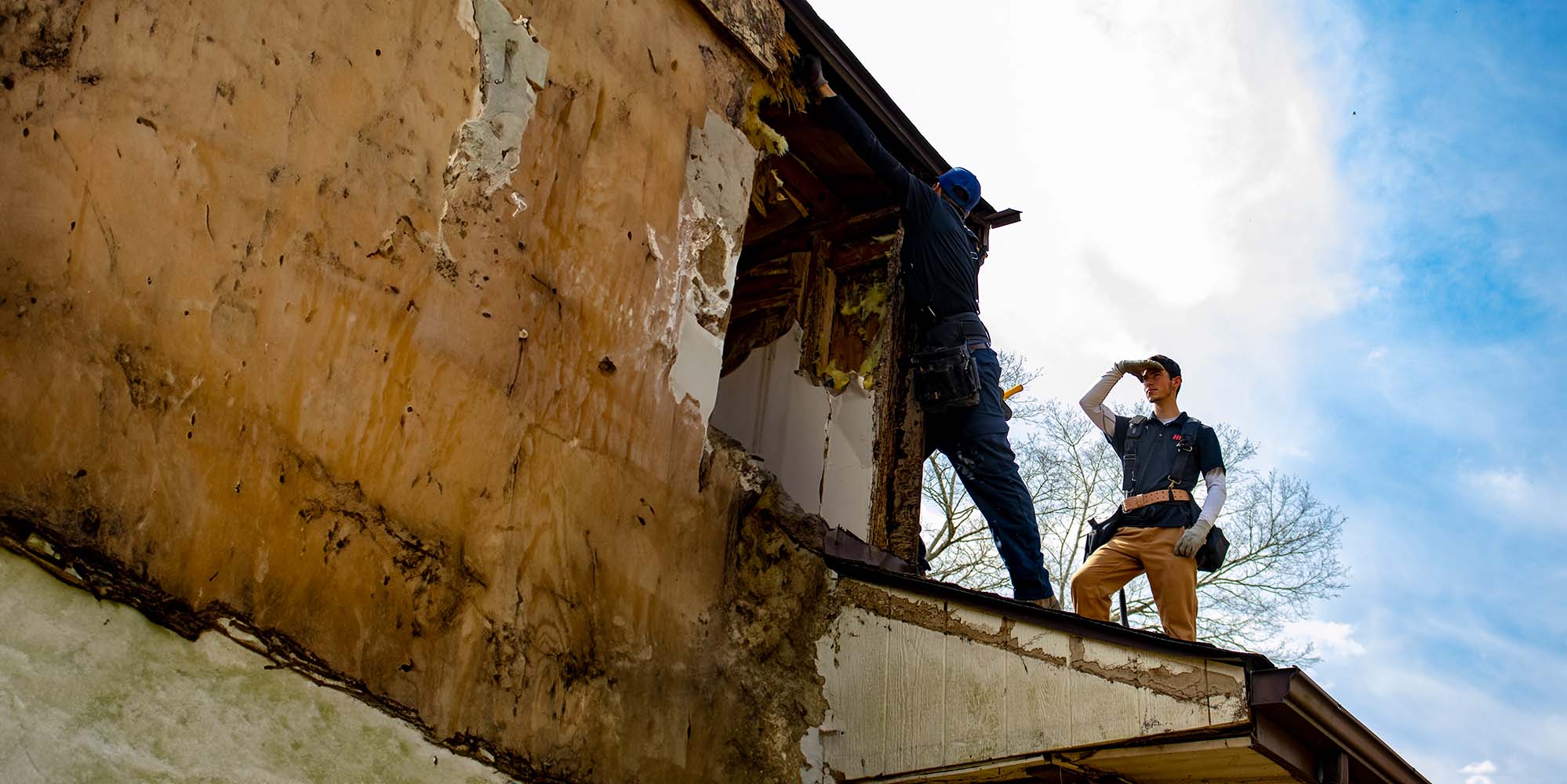

Storm Damage Restoration
Your trusted partner for professional home services. Quality workmanship, guaranteed satisfaction.

Storm Damage Restoration | Roofing | Oak Ridge
When the storm clouds roll away, the damage left behind can be overwhelming. At HEP, we understand the urgency and importance of restoring your roof to its prime condition. Nestled in the heart of Oak Ridge, our expert team combines swift action with meticulous attention to detail, ensuring your home is safeguarded against the unpredictable weather. With a legacy of quality craftsmanship and a commitment to using the finest materials, we transform storm damage into a distant memory. Trust HEP to restore your peace of mind, one shingle at a time.
What Our Customers Say


Understanding Oak Ridge’s Unique Storm Challenges
Oak Ridge sits in the foothills of East Tennessee where rolling terrain meets a humid subtropical climate. Spring thunderstorms race across the valley, summer heat fuels convective cells, autumn brings remnants of Gulf hurricanes, and winter fronts whip fierce wind gusts down the ridges. Every season, Oak Ridge residents face a distinct blend of windborne debris, intense rainfall, hailstones, and rapid temperature swings that punish roofing systems. Shingles lift at the edges, flashing loosens around chimneys, and granule loss accelerates under repeated hail impact.
Storm damage does not always reveal itself with obvious leaks. Sometimes water migrates beneath the shingle field, saturates decking, and appears weeks later as moldy attic insulation or stained ceilings. Understanding this invisible timeline is central to HEP’s approach: inspect early, intervene quickly, and reinforce every vulnerable component before the next squall line forms over the Cumberland Plateau.
Common Types of Roofing Storm Damage in Oak Ridge
Wind Damage
Straight-line winds exceeding 60 mph can rip entire shingle courses free, fold ridge caps backward, and fracture brittle sealant lines. Even gusts in the 30–40 mph range repeatedly flex asphalt tabs until the adhesive strip shears, exposing nail heads and starter rows. Once nails are visible, capillary action draws water through the fastener penetration, swelling the roof deck and undermining shingle alignment.
Hail Impact
Ice roughly the size of marbles—or, during severe supercells, golf balls—strikes shingles at high velocity. Granules dislodge, asphalt matting fractures, and substrate fibers split. Damage is cumulative: each successive storm widens existing bruises, hastening UV degradation. Metal roofing panels suffer cosmetic dents that, though sometimes dismissed as “only aesthetic,” can weaken protective coatings and invite rust in Oak Ridge’s humid summers.
Torrential Rain and Flash Flooding
Storm systems regularly deliver several inches of rain in a single evening. Overflowing valleys and improperly pitched gutters push water beneath starter shingles and into sidewall flashing joints. In neighborhoods built on slopes, backed-up downspouts can redirect water against fascia boards, causing rot that spreads under the eaves.
Fallen Debris
Heavy limbs from mature oaks and maples snap during thunderstorms, puncturing decking, crushing ridge vents, and tearing underlayment. Smaller twigs accumulate in roof valleys, creating dams that prolong water contact and accelerate shingle aging.
Why Timely Storm Damage Restoration Matters
• Limits secondary water intrusion that can warp rafters and foster mold colonies
• Protects insulation performance, keeping HVAC costs stable during Tennessee’s hot summers and chilly winters
• Maintains property value and curb appeal in competitive Oak Ridge housing markets
• Prevents voiding of manufacturer warranties triggered by neglected damage
• Reduces likelihood of costly full replacement by addressing localized issues early
Ignoring minor storm damage is like leaving a window cracked during every rainfall. The cumulative effect can turn a manageable repair into extensive structural remediation. HEP’s restoration strategy prioritizes swift intervention, mitigating risks before they escalate.
HEP Company’s Comprehensive Storm Damage Restoration Service
Inspection and Damage Assessment
HEP begins with a multi-point visual and photographic inspection. Trained technicians climb the roof, probe shingles for softness, document hail bruising, and test flashing integrity. Drones may supplement high-risk areas, capturing 4K imagery of ridges, valleys, and chimney saddles. In attics, moisture meters and infrared cameras locate damp sheathing invisible to the naked eye.
Emergency Tarping and Temporary Protection
If decking is exposed or active leaks threaten interior finishes, technicians secure breathable, UV-resistant tarps over compromised zones. Ridge vents, turbine caps, and skylights receive additional waterproof membranes to shield vulnerable seams while the permanent repair plan is finalized.
Detailed Restoration Plan
After documentation, HEP crafts a scope of work aligned with local building codes and manufacturer specifications. The plan outlines material selections, underlayment upgrades, ventilation improvements, and estimated project timeline. Clear documentation supports homeowner insurance submissions and streamlines approval.
Quality Roof Repair and Replacement
HEP crews replace fractured shingles, install new flashing, and re-nail loose decking with ring-shank fasteners rated for high wind uplift. When damage surpasses repair thresholds, full replacement follows a precise tear-off protocol: sectioned removal, magnetic nail sweep, and on-site sorting of recyclable materials.
Cleanup and Final Inspection
Post-installation, crews clear gutters, scan lawns with rolling magnets for stray nails, and reset landscaping disturbed during staging. A lead technician performs a 25-point final inspection, verifying sealant cures, drip-edge alignment, and ridge ventilation balance.
Documentation for Insurance Claims
Homeowners receive a comprehensive photo dossier, material invoices, and inspection forms. This bundle simplifies discussions with adjusters and ensures alignment with policy guidelines, protecting homeowners from coverage disputes.
Materials and Techniques HEP Utilizes for Long-Lasting Results
High-Performance Asphalt Shingles
HEP installs Class 4 impact-rated shingles engineered to resist Oak Ridge hail signatures. Polymer-modified asphalt formulations provide superior flex under temperature swings, while reflective granules mitigate attic heat gain.
Impact-Resistant Metal Roofing
For homeowners seeking maximum longevity, stone-coated steel and standing-seam panels deliver wind ratings up to 140 mph. Concealed fastener systems reduce leak points, and specialized clip assemblies accommodate thermal expansion, preventing oil-canning and panel distortion.
Synthetic Underlayment and Ice & Water Shield
Traditional felt saturated with asphalt can wrinkle under moisture and heat. HEP opts for woven polymer underlayment with high tear strength, a non-skid surface for technician safety, and superior permeability control. In valleys, around chimneys, and along eave edges, self-adhering ice & water shield forms a redundantly sealed barrier against wind-driven rain.
Advanced Ventilation Solutions
Balanced intake and exhaust extend shingle life by dissipating attic heat and moisture. HEP blends continuous ridge vents with color-matched soffit panels, achieving airflow metrics recommended by the International Residential Code while preserving architectural aesthetics.
Eco-Friendly Disposal and Recycling Practices
Shingle tear-offs are sorted for asphalt recycling, diverting materials from Tennessee landfills. Metal panels and flashings go to regional smelters for repurposing, supporting circular manufacturing economies and reducing environmental footprint.
The HEP 5-Step Process: From First Notice to Finished Roof
• Initial consultation and storm history review
• Comprehensive roof and attic inspection with high-resolution imaging
• Customized restoration plan and homeowner approval
• Scheduled repair or replacement using premium materials
• Post-project walkthrough, warranty registration, and final reporting
Each step is engineered for transparency, efficiency, and code compliance, ensuring homeowners remain informed from start to finish.
How HEP Ensures Compliance with Oak Ridge Building Codes
Permitting and Inspection Coordination
HEP submits permit applications to the Oak Ridge Community Development Department, outlining scope, materials, and structural modifications. Project managers coordinate required inspections, guiding city officials through the site and addressing any queries in real time.
Wind Uplift and Fastener Standards
Oak Ridge’s adopted codes reference ASTM and FEMA guidelines for wind resistance. HEP follows enhanced fastening schedules: six-nail patterns on steep slopes, ring-shank nails with corrosion-resistant coatings, and reinforced starter strip adhesion using manufacturer-approved sealants.
Moisture Barrier Requirements
Local ordinances demand ice barrier installation along eaves in areas prone to ice dams. While Oak Ridge experiences fewer freezes than higher elevations, HEP includes this safeguard to exceed baseline requirements, providing extra protection during occasional winter storms.
Warning Signs Your Oak Ridge Roof Needs Immediate Attention
• Missing, curled, or cracked shingles observed from ground level
• Shingle granules accumulating in gutters or at downspout discharge points
• Dark streaks or water stains on interior ceilings and walls
• Moldy attic insulation or musty odors in upper rooms
• Light penetration through roof boards visible inside the attic
• Excessive energy bills indicating compromised ventilation or insulation
Prompt recognition of these indicators and swift engagement with a certified professional like HEP can halt escalating damage and preserve structural integrity.
Preventive Measures to Reduce Future Storm Damage
Routine Maintenance Programs
Semi-annual roof tune-ups identify loose fasteners, brittle sealants, and minor punctures. HEP offers scheduled maintenance that extends lifespan and guards against cumulative storm impact.
Gutter and Downspout Optimization
Properly pitched, unobstructed gutters channel rainfall away from fascia boards and foundations. Oversized downspouts accommodate Oak Ridge’s occasional cloudbursts, preventing backflow into the roofing system.
Attic Insulation and Ventilation
Balanced airflow mitigates condensation that might otherwise weaken sheathing and rafters. Adequate insulation slows heat transfer, reducing freeze-thaw cycles that damage roofing layers.
Tree Trimming and Yard Preparation
Removing overhanging limbs and regularly clearing debris from roof valleys limits piercing hazards and reduces organic buildup that retains moisture on shingle surfaces.
Why Oak Ridge Homeowners Trust HEP for Storm Damage Restoration
Local Expertise and Rapid Response
HEP operates crews headquartered within minutes of most Oak Ridge neighborhoods, enabling rapid dispatch after storm events. Local familiarity with microclimates allows technicians to anticipate wind patterns and potential damage zones.
Manufacturer Certifications and Training
Crewleaders maintain certifications from leading roofing manufacturers, ensuring installations meet warranty prerequisites and the latest industry best practices. Regular continuing education keeps teams current on material innovations and code updates.
Warranty Advantages
Material warranties are bolstered by HEP’s own workmanship guarantee. Proper installation protects homeowner investments and strengthens property resale value.
Safety-First Culture
Technicians adhere to OSHA fall-protection standards, utilize harness systems, and receive training in ladder safety and heat stress management. A safe jobsite reduces risk to homeowners and preserves project timelines.
Environmental Sustainability in Storm Damage Restoration
Material Recycling
Asphalt shingles are processed into pavement aggregate, reducing reliance on virgin petroleum products. Metal scrap re-enters manufacturing loops, conserving natural ore resources.
Energy-Efficient Upgrades
Impact-rated shingles with solar-reflective granules lower attic temperatures, decreasing HVAC workloads. Optional radiant barriers and cool-roof coatings further enhance energy performance for Oak Ridge’s warm summers.
Water Management Strategies
During restoration, HEP evaluates gutter capacity, installs leaf guards if necessary, and recommends rain barrel integration for landscape irrigation—supporting efficient water stewardship in storm-prone regions.
Seasonal Roof Readiness Checklist for Oak Ridge Storms
Keeping a roof storm-ready is an ongoing process that blends proactive observation with scheduled professional service. Homeowners who follow a disciplined seasonal routine significantly reduce the likelihood of emergency repairs between heavy thunderstorm cycles.
Spring Preparation
- Clear winter debris from valleys, gutters, and downspout leaders.
- Inspect ridge vents for animal nests that restrict exhaust airflow.
- Confirm shingle seals have reactivated after cold weather dormancy.
Summer Mid-Season Review
- Look for blistering on south-facing slopes caused by prolonged UV exposure.
- Verify attic ventilation performance during the hottest days—excessive heat shortens shingle life.
- Tighten loose gutter brackets before sudden cloudbursts overload the system.
Autumn Hardening
- Remove fallen leaves that trap moisture and hasten granule loss.
- Reinforce flashing at dormers and skylights, common leak points during hurricane remnants.
- Schedule a professional inspection with HEP to assess hail strikes accumulated through spring and summer.
Winter Vigilance
- Check for ice dam formation after rare but impactful cold snaps.
- Ensure attic insulation depth meets today’s standards, preventing warm-air escape that melts rooftop snow unevenly.
- Confirm that chimney caps and storm collars remain sealed against driven sleet and freezing rain.
Final Thoughts on Protecting Your Oak Ridge Home
Storms sweeping across East Tennessee are unpredictable, but the resilience of your roof does not have to be. By coupling rapid assessment with precision repairs, HEP transforms storm damage into an opportunity for improvement—reinforcing vulnerable areas, upgrading materials, and integrating modern ventilation and moisture-control solutions. The result is a roofing system capable of withstanding Oak Ridge’s multifaceted climate hazards while enhancing energy efficiency and long-term property value.
Timely action after a storm safeguards the entire building envelope. Whether hail has bruised your shingles, wind has lifted a ridge cap, or heavy rain has revealed a hidden leak, partnering with a specialized restoration team like HEP delivers peace of mind and proven durability. With meticulous workmanship, advanced materials, and an unwavering commitment to code compliance, HEP ensures that every restored roof stands ready for the next Tennessee tempest—protecting families, possessions, and the cherished sense of security that comes with a sound, storm-resistant home.
Proudly Serving Our Community
Find your local experts in your neighborhood. We're just around the corner.