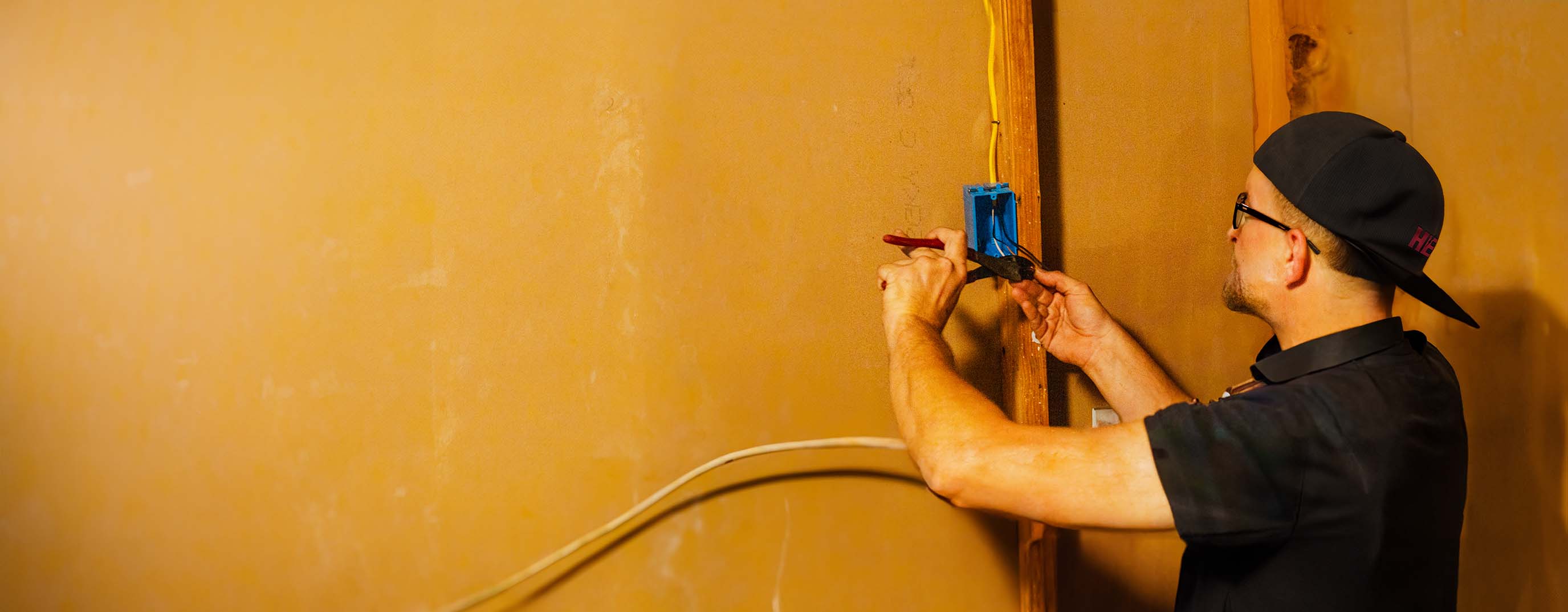

Smoke Detectors
Your trusted partner for professional home services. Quality workmanship, guaranteed satisfaction.

Smoke Detectors | Electrical
Looking for top-notch protection for your home or business? HEP's Electrical Smoke Detectors offer the ultimate peace of mind with state-of-the-art technology designed to detect the smallest sign of trouble. Our smoke detectors are not only incredibly sensitive, but also highly reliable, providing you with early warnings to safeguard your property and loved ones. Easy to install and maintain, these detectors ensure continuous monitoring and swift detection of any potential hazards. Trust HEP to keep you safe with our expertly crafted electrical smoke detection systems. Safety has never been this seamless!
What Our Customers Say


Smoke Detector Installation and Maintenance in Tennessee
Electrical smoke detectors are a first-line defense against residential fires. In Tennessee, where building codes require properly placed and fully functional alarms, professional service ensures every device responds the moment smoke becomes a threat.
Why Professional Attention Matters
- Local ordinances mandate specific placement and interconnection standards
- Hard-wired units must be installed on dedicated circuits by licensed electricians
- Routine inspections detect hidden wiring issues and expired sensors
- Proper documentation supports insurance and real-estate transactions
How Electrical Smoke Detectors Work
Ionization vs. Photoelectric Sensors
- Ionization models react quickly to fast-flaming fires
- Photoelectric units excel at detecting smoldering smoke
- Dual-sensor detectors combine both technologies for broader protection
Interconnected Alarm Networks
Hard-wired detectors link together so when one alarm sounds, every unit in the home activates. This feature is especially valuable in multi-story residences common across Tennessee.
Battery Backup and Smart Features
Even when a detector is wired into the home’s electrical system, a sealed lithium or replaceable 9-volt battery keeps protection in place during power outages caused by storms—frequent in many Tennessee regions.
HEP’s Expertise With Electrical Smoke Detectors
Comprehensive Installation
- Precise placement following IRC and Tennessee code
- Secure mounting on ceilings or high walls away from HVAC vents
- Dedicated circuit integration and labeling at the service panel
Routine Testing & Maintenance
- Annual sensor sensitivity checks with calibrated aerosol smoke
- Battery testing and replacement according to manufacturer guidelines
- Cleaning to remove dust, pet hair, and pollen that impede sensors
Code Compliance & Documentation
HEP’s electricians measure spacing, ceiling height, and room layouts to confirm every detector meets state requirements. Upon completion, homeowners receive service records validating compliance.
Upgrades & Replacements
- Replacement every 8–10 years to avoid sensor degradation
- Migration to smart detectors that send mobile alerts
- Addition of strobe or vibrating alarms for hearing-impaired occupants
Key Benefits of Choosing a Licensed Electrician
- Assurance that wiring, breakers, and detectors operate harmoniously
- Reduced risk of nuisance alarms caused by improper installation
- Immediate identification of outdated, recalled, or damaged units
- Peace of mind backed by professional workmanship guarantees
Signs Your Smoke Detector Needs Attention
- Chirping despite recent battery changes
- Discolored housing or warped casing from voltage issues
- Frequent false alarms during normal cooking activities
- Absence of the test tone when pressing the test button
Tennessee Regulations for Smoke Detectors
- Detectors must be installed inside every bedroom, outside sleeping areas, and on each level of the dwelling
- Interconnection is required for new construction and significant renovations
- Devices must bear a laboratory safety certification such as UL
Steps HEP Takes During a Service Visit
- Confirm power isolation and inspect circuit integrity
- Remove old detectors and evaluate junction boxes
- Install new or serviced units with tamper-resistant screws
- Test each detector individually, then verify networked operation
- Provide labeled schematic of detector locations for homeowner records
Tips for Homeowners Between Professional Visits
- Press the test button once a month
- Vacuum detector vents with a soft brush attachment twice a year
- Replace backup batteries every six months unless using 10-year sealed units
- Keep cooking areas ventilated to reduce false alarms
With qualified electricians handling installation, testing, and maintenance, Tennessee homeowners gain reliable, code-compliant smoke detection that stands ready to protect life and property.
Proudly Serving Our Community
Find your local experts in your neighborhood. We're just around the corner.