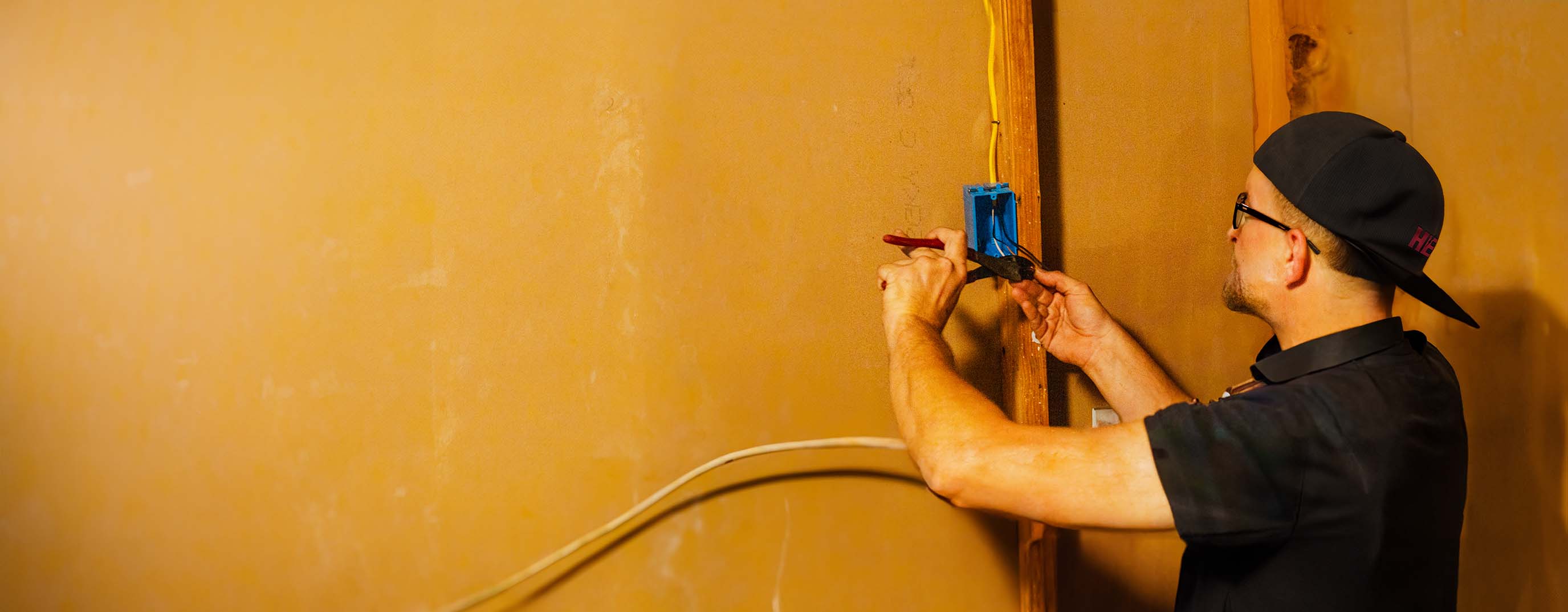

Smoke Detectors
Your trusted partner for professional home services. Quality workmanship, guaranteed satisfaction.

Smoke Detectors | Electrical | Farragut
Looking for reliable smoke detectors in Farragut? HEP's electrical services have got you covered. Our expert technicians ensure your home is equipped with top-notch smoke detection systems, giving you peace of mind and unparalleled safety. Whether you need installation, maintenance, or an upgrade, we provide comprehensive solutions tailored to your needs. Trust HEP's electrical services to keep your family safe with cutting-edge smoke detectors that are always a step ahead. Protect what matters most with our dependable, hassle-free service.
What Our Customers Say


Electrical Smoke Detectors in Farragut: Comprehensive Service and Safety Insights From HEP
Few safety devices are as critical—or as overlooked—as the humble smoke detector. In Farragut, where residential growth and modern renovations are booming, homeowners and property managers rely on dependable electrical smoke detectors to protect lives and investments. HEP’s licensed electricians specialize in designing, installing, and maintaining these life-saving systems, ensuring every home enjoys round-the-clock fire detection tailored to local conditions.
Why Farragut Homes Need Reliable Smoke Detection
Suburban communities like Farragut combine new construction, remodeled mid-century homes, and a variety of building materials—all of which influence fire behavior. From spacious open-concept layouts that let smoke travel quickly to tightly sealed energy-efficient dwellings that can trap toxic gases, every property presents unique challenges. Reliable, code-compliant smoke detectors empower residents to:
- Receive early warning and maximize escape time.
- Reduce smoke-related injuries.
- Limit property damage by triggering faster emergency response.
- Achieve peace of mind during sleeping hours or while away from home.
HEP’s electricians address these challenges by evaluating each structure, recommending detector types and placement strategies that match real-world fire dynamics in Farragut’s climate and housing stock.
How Electrical Smoke Detectors Work
Electrical—or “hardwired”—smoke detectors draw power directly from a home’s electrical system while maintaining battery backup for outages. This dual-power approach vastly improves reliability over battery-only units.
Ionization vs. Photoelectric: The Core Sensing Technologies
Most modern detectors employ one of two sensor principles, each attuned to different fire characteristics:
-
Ionization Detectors
- Utilize a small amount of radioactive material between two electrically charged plates, creating an ionized air chamber.
- Smoke particles disrupt ion flow, triggering the alarm.
- Excel at detecting fast-flaming fires generated by combustible liquids or paper.
-
Photoelectric Detectors
- House an LED that projects light across a sensing chamber.
- When smoke scatters the light toward a photoelectric sensor, the circuit activates the alarm.
- React rapidly to smoldering fires common with upholstered furniture or electrical wiring faults.
A comprehensive Farragut installation often includes both technologies—or dual-sensor units—to cover the widest range of fire scenarios.
Hardwired Systems With Interconnection
In a hardwired network:
- Each detector draws a consistent 120-volt or 240-volt feed, generally tapped from the nearest junction box.
- A dedicated interconnect wire allows alarms to talk to each other; when one unit senses danger, all units sound.
- Backup batteries guarantee operation during power loss, storms, or grid failures.
HEP’s technicians ensure proper circuit identification, junction box sizing, and conduit routing so the network meets Tennessee’s electrical code and NFPA 72 standards.
Built-In Diagnostic and Silence Features
Modern detectors integrate microprocessors that:
- Monitor internal components for drift or contamination.
- Offer self-testing routines to verify sensor integrity.
- Provide hush modes to mitigate nuisance alarms without removing batteries.
Correct wiring and programming performed by HEP’s electricians leverage these advances to reduce false alarms and elevate occupant confidence.
The HEP Process: Professional Smoke Detector Service From Start to Finish
1. On-Site Assessment and Code Review
- Detailed room-by-room evaluation of existing detectors, wiring, and breaker panel capacity.
- Comparison to local ordinances and NFPA placement requirements (e.g., inside every sleeping room, outside each sleeping area, and on every level).
2. Customized Detector Selection
- Determination of ionization, photoelectric, or dual-sensor models based on floor plan and occupant risk profile.
- Consideration of add-ons such as carbon monoxide sensors, voice alerts, or Wi-Fi connectivity.
3. Precision Installation
- Safe power shutdown, circuit verification, and lock-out/tag-out protocols.
- Secure mounting on ceilings or high walls following manufacturer spacing guidelines.
- Proper interconnect wiring, staple spacing, and conduit use to preserve firestops and drywall integrity.
- Labelling breakers and documenting device locations for future service.
4. Testing and Commissioning
- Use of canned smoke or UL-approved test tools rather than open flame.
- Confirmation that all interconnected units trigger simultaneously.
- Voltage measurements to verify steady supply and battery charger function.
5. Scheduled Maintenance Plans
- Annual sensor cleaning and battery replacement.
- Firmware updates for smart models.
- End-of-life detector replacement every 8–10 years, as recommended by manufacturers and fire authorities.
HEP’s structured workflow minimizes disruption while delivering code-compliant protection that endures Farragut’s humidity swings and occasional lightning-induced surges.
Local Codes and Standards Influencing Smoke Detector Installation
NFPA 72 Compliance
The National Fire Alarm and Signaling Code defines critical practices:
- Minimum distance from HVAC vents and ceiling fans to prevent diluted smoke sampling.
- Installation away from cooking appliances by at least 10 feet to curb false alarms.
- Mandated hush feature accessibility for residents with mobility challenges.
Tennessee State and Farragut Amendments
- Interconnected hardwired detectors are mandatory for new constructions and significant remodels.
- Battery backup is compulsory even for detector circuits on whole-house generators.
- Attics and crawl spaces used for storage often require additional detectors when conditioned.
HEP’s designers stay current with code updates, enabling clients to pass inspections and avoid costly rework.
Signs Your Smoke Detectors Need Professional Attention
Over time, environmental factors and component wear can compromise performance. Homeowners should arrange HEP service if any of the following occur:
- Chirping, beeping, or random alarms despite fresh batteries.
- Discoloration from cooking grease or nicotine buildup.
- Installation date exceeding eight years (expiration printed on casing).
- Renovations that alter airflow paths or add enclosed rooms.
- Frequent nuisance alarms triggered by normal kitchen use or steam from bathrooms.
Benefits of Choosing HEP for Smoke Detector Work in Farragut
- Local Expertise – Technicians understand Farragut’s construction styles, common attic layouts, and prevailing permit requirements.
- Licensed Electricians – Proper bonding, grounding, and load calculations prevent hidden hazards.
- High-Quality Detectors – Access to commercial-grade units not always found in retail outlets.
- Thorough Documentation – Detailed installation reports streamline future insurance claims or home sales.
- Safety-Focused Culture – Ongoing employee training emphasizes NFPA updates and electrical safety best practices.
Enhancing Safety Through Integrated and Smart Smoke Detection
Interconnected Alarms Across Multiple Structures
For properties with detached garages, workshops, or in-law suites, HEP engineers can extend detection networks via:
- Low-voltage communication cable in underground conduit.
- Wireless RF modules engineered for UL 217 smoke alarm standards.
When one outbuilding triggers, every occupied space receives immediate notice.
Smartphone and Voice Integration
HEP can configure detectors that:
- Send push notifications during alarms or low-battery events.
- Distinguish between smoke and carbon monoxide with voice announcements.
- Communicate with home automation hubs to flash smart bulbs or unlock doors for emergency egress.
Monitoring Add-Ons
While not a substitute for full security systems, certain detectors can:
- Relay alerts to cloud platforms.
- Create event logs useful for insurance documentation.
Proper setup requires secure Wi-Fi, firewall rules, and firmware maintenance—areas where HEP’s electricians collaborate with IT-savvy team members.
Preparing for Your Smoke Detector Appointment With HEP
Creating a smooth installation day involves a few homeowner steps:
- Clear Access – Move furniture away from detector locations; ensure attic hatches are unobstructed.
- Locate Plans – Provide any electrical blueprints or previous inspection reports.
- Pet Arrangements – Secure animals to minimize stress from ladder activity and test alarms.
- Discuss Special Needs – Inform technicians of residents with hearing impairments so they can recommend strobe or pillow-shaker accessories.
Common Misconceptions About Electrical Smoke Detectors
-
“My house has sprinklers, so detectors are redundant.”
Sprinklers activate only after significant heat buildup, often too late for safe escape. Detectors provide critical early warning. -
“I can just replace batteries when they chirp.”
Batteries fix power loss alerts but do not address sensor aging, wiring faults, or programming errors. -
“Cooking false alarms mean detectors are overly sensitive.”
Persistent nuisance alarms often reflect poor placement or outdated ionization-only units rather than sensitivity problems.
HEP’s evaluation dispels myths by blending scientific testing with clear homeowner education.
Environmental Considerations of Modern Smoke Detectors
Reduced Radioactive Content
Ionization chambers now use minute amounts of americium-241 encapsulated to prevent leakage. Proper recycling or mail-back programs keep even these microdoses out of Farragut landfills.
Energy Efficiency
Hardwired detectors draw minimal current—often less than 1 watt—making their continuous operation virtually negligible on electric bills.
Recyclable Materials
HEP partners with electronics recyclers who extract metals and plastics, minimizing environmental footprint when detectors reach end-of-life.
The Future of Residential Smoke Detection
Emerging innovations likely to influence Farragut installations include:
- Air-Quality Sensors – Integrated modules that track particulate matter, volatile organic compounds, and humidity, creating holistic indoor environment monitoring.
- AI-Driven False Alarm Reduction – Machine learning algorithms differentiating between cooking aerosols and dangerous smoke signatures.
- Mesh Network Communications – Detectors functioning as nodes in a low-power network, improving reliability during internet outages.
- Self-Charging Batteries – Thin-film solar or thermoelectric cells harnessing ambient light and temperature differentials to extend backup battery lifespan.
HEP continuously evaluates these technologies, preparing to integrate them once they achieve UL certification and mass-market reliability.
Addressing Unique Installation Challenges in Farragut Homes
Renovations, additions, and architectural quirks can complicate smoke detector placement. HEP’s field teams mitigate these obstacles through:
Split-Level Floor Plans
- Ensuring alarms are placed on every mezzanine landing to account for vertical smoke movement.
- Utilizing angled mounting brackets on sloped ceilings to align sensors horizontally, maintaining manufacturer sensitivity thresholds.
Vaulted or Tray Ceilings
- Installing detectors within 36 inches of the peak to avoid dead air pockets where smoke may stagnate.
- Running concealed conduit through attic crawlways to preserve aesthetics without sacrificing code compliance.
High Humidity Areas
- Selecting models with sealed chambers and hydrophobic filters for bathrooms or indoor pool rooms.
- Adjusting spacing to reduce condensation-triggered false alarms while maintaining detection speed.
Routine Testing and Maintenance: A Homeowner Checklist
Even professionally installed systems need homeowner participation. Adopt the following monthly practices to keep electrical smoke detectors working in Farragut’s ever-changing environment:
- Press and hold the test button on each unit for at least five seconds, confirming the siren reaches full volume.
- Visually inspect indicator LEDs; a steady green light typically denotes power, while an intermittent amber flash can indicate end-of-life warnings.
- Gently vacuum vent openings with a soft brush attachment to remove dust, pet hair, or drywall particles that can impede airflow.
- Verify interconnection by triggering the most remote detector and ensuring simultaneous alarms throughout the home.
- Record test dates in a logbook stored near the electrical panel, fostering accountability among family members.
Coordination With Insurance and Local Authorities
Some insurance carriers offer policy discounts for homes equipped with maintained, interconnected electrical smoke detectors. HEP provides:
- Installation certificates indicating compliance with NFPA 72.
- Annual inspection reports outlining test procedures, battery changes, and firmware updates.
- Photographic documentation of detector locations to expedite claims processing if a fire occurs.
Farragut’s fire marshal may request these records during occupancy inspections or after substantial renovations, underscoring the value of professional documentation.
Integrating Smoke Detectors With Complementary Safety Systems
While smoke detection forms the cornerstone of fire safety, combining it with other protective technologies magnifies effectiveness:
- Heat Detectors – Ideal for kitchens, attics, and garages where smoke alone may not appear before flashover.
- Fire Extinguishers – Strategic placement of ABC-rated units empowers residents to tackle small blazes within the crucial first two minutes.
- Emergency Lighting – Battery-powered egress lights illuminate escape paths when detectors sound during power outages.
- Smart Locks – Configured to disengage automatically upon alarm activation, facilitating rapid exit and first-responder entry.
HEP’s electrical expertise ensures seamless integration, avoiding compatibility pitfalls and preventing overload of low-voltage communication lines.
Case Scenario: A Farragut Basement Remodel
A recent basement finishing project illustrates the importance of professional smoke detector planning:
-
Assessment Phase
- Original ranch home featured detectors only on the main level.
- Addition of a bedroom and home theater introduced new sleeping areas and enclosed spaces.
-
HEP Solution
- Installed dual-sensor hardwired units in the bedroom, hallway, and stairwell landing.
- Added a photoelectric heat detector near the furnace closet to address potential combustion anomalies.
- Upgraded the electrical panel with a dedicated arc-fault breaker to safeguard the new circuit.
-
Outcome
- Project passed final inspection on first attempt.
- Homeowners received insurance premium reduction documentation.
- Peace of mind for occupants spending extended hours in the new living space.
A Final Word on Safety and Professionalism
Electrical smoke detectors form the backbone of any residential fire protection strategy in Farragut. With countless variables—from sensor type and placement to smart-home integration—professional expertise is indispensable. HEP’s commitment to meticulous assessment, code-compliant installation, and ongoing maintenance ensures every detector not only meets but exceeds industry standards. Through proactive service and continual education, HEP empowers Farragut residents to sleep soundly, secure in the knowledge that the most advanced guardians stand vigilant over their homes.
Proudly Serving Our Community
Find your local experts in your neighborhood. We're just around the corner.