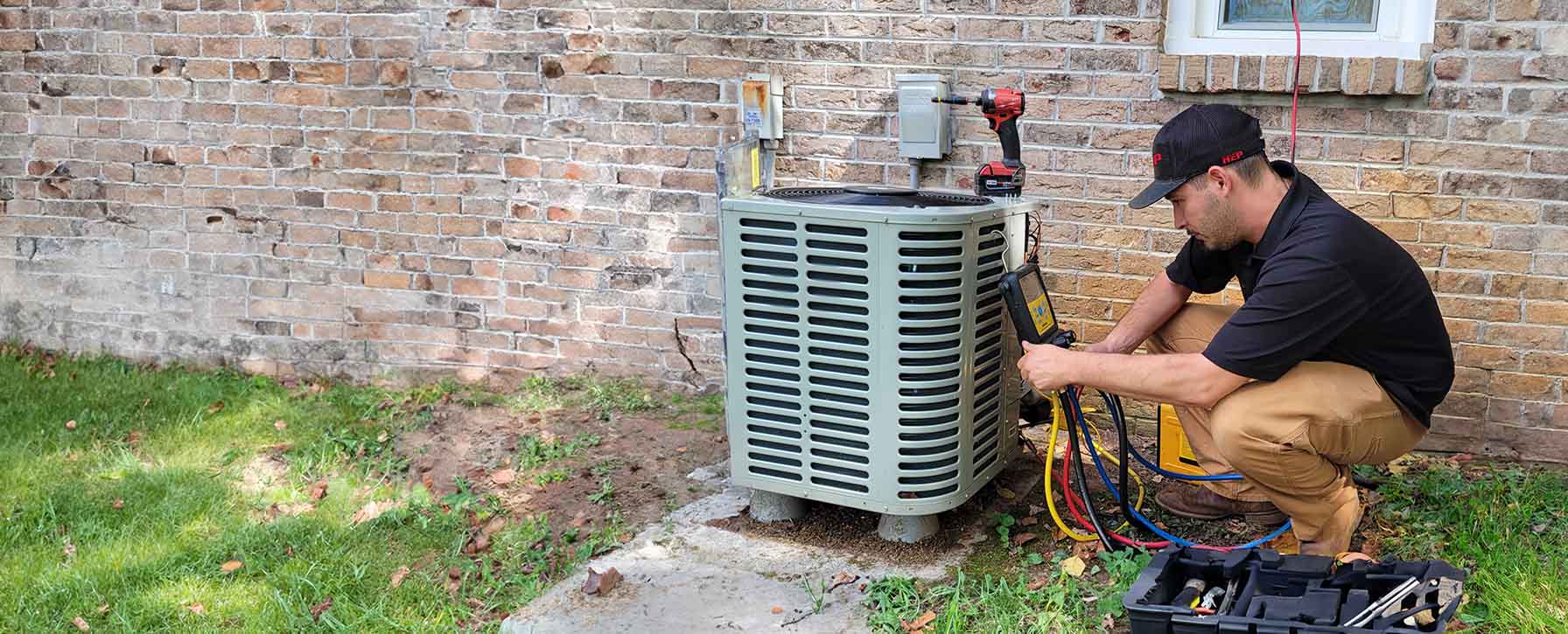

Dehumidifier Installation
Your trusted partner for professional home services. Quality workmanship, guaranteed satisfaction.

Dehumidifier Installation | Heating and Air Conditioning | Fountain City
Transform your home into a comfort haven with HEP's professional heating, air conditioning, and dehumidifier installations in Fountain City! Our team of experts is committed to ensuring your indoor air quality is just right, whether you're battling the summer heat or keeping cozy during the colder months. Imagine walking into a perfectly balanced environment, free from excess moisture that can lead to mold, mildew, and discomfort. Our state-of-the-art dehumidifiers work seamlessly with your existing HVAC system to provide optimal humidity control. Trust HEP to deliver energy-efficient solutions and unparalleled service, making your home the ultimate oasis year-round. Contact us today to schedule your installation and experience the HEP difference!
What Our Customers Say


Professional Dehumidifier Installation in Fountain City by HEP
Fountain City’s lush landscapes and proximity to waterways make it a beautiful place to live, yet the same geographic advantages can create persistent humidity problems in homes and commercial spaces. Excess indoor moisture promotes mold growth, damages building materials, and makes heating and air conditioning systems work harder than necessary. HEP’s heating and air conditioning team specializes in dehumidifier installation that targets these issues directly, delivering balanced indoor comfort all year long.
The Fountain City Climate Challenge
Fountain City experiences warm, muggy summers and mild, damp winters. Seasonal humidity fluctuations create a unique set of indoor air quality issues:
- Summer dew points often linger above 65°F, introducing sticky, heavy air indoors.
- Spring rains and rapid temperature swings leave crawl spaces susceptible to condensation.
- Mild winter temps prevent complete drying of building envelopes, trapping residual moisture behind walls and under flooring.
This consistent moisture load places strain on HVAC equipment and jeopardizes the health of occupants. Installing a properly sized dehumidifier through HEP helps alleviate these concerns by controlling relative humidity to optimal levels between 30 % and 50 %.
The Role of Dehumidifiers in Comprehensive HVAC Comfort
While air conditioners remove some moisture as they cool, they are primarily designed for temperature control. When outdoor humidity soars, an AC unit alone often cannot maintain ideal indoor humidity. A whole-home or zoned dehumidifier bridges that gap.
Complementing Heating and Cooling Cycles
- During cooling mode, dehumidifiers take additional latent heat out of the air, allowing thermostats to be set a few degrees higher without sacrificing comfort.
- In shoulder seasons when temperatures drop but moisture remains high, a dedicated dehumidifier can operate independently of the furnace or heat pump, preserving energy while safeguarding indoor air quality.
Protecting Building Materials
Moisture can warp hardwood floors, delaminate engineered wood products, and degrade insulation R-values. By moderating humidity, dehumidifiers protect long-term investments in finishes, cabinetry, musical instruments, and other moisture-sensitive assets throughout Fountain City homes.
HEP’s Heating and Air Conditioning Expertise
HEP’s technicians bring advanced HVAC knowledge, specialized tools, and ongoing training to every project. Their approach to dehumidifier installation blends mechanical expertise with a detailed understanding of building science. Key aspects include:
- Manual J load calculations to determine correct equipment capacity.
- Blower door tests to measure building envelope leakage before recommending system changes.
- Comprehensive duct assessments to ensure balanced airflow and avoid negative pressure scenarios after installation.
HEP’s focus on data-driven solutions prevents the common pitfall of over- or undersizing dehumidifiers, guaranteeing reliable performance for Fountain City residents.
Benefits of Proper Dehumidifier Installation
Healthier Indoor Air
Lower humidity levels hinder dust mite proliferation and mold spore growth. Individuals with allergies or asthma often experience reduced symptoms after a dehumidifier is added to the mechanical system.
Enhanced Energy Efficiency
- Air conditioners no longer run excessively just to reach humidity set points.
- Heating equipment operates more efficiently because dry air feels warmer, allowing thermostats to remain a few degrees lower in winter.
- Reduced strain on HVAC components extends system lifespan, lowering long-term operational costs.
Improved Comfort and Sleep Quality
Balanced humidity relieves that clammy feeling on skin, minimizes musty odors, and fosters a more restful sleeping environment.
Structural Integrity
Controlling moisture protects joists, subfloors, drywall, and framing members from rot and premature deterioration.
How HEP Approaches Dehumidifier Installation
Detailed Home Assessment
- Inspect crawl spaces, basements, attics, and living areas for moisture accumulation.
- Use hygrometers and thermal imaging cameras to locate hidden vapor pathways.
- Evaluate existing HVAC equipment and ducting for compatibility with dehumidifier integration.
Equipment Selection
HEP recommends dehumidifiers with:
- High moisture removal per day (pints/day) ratings matched to home volume and leakage rates.
- ENERGY STAR certifications to maximize efficiency.
- Optional fresh air intake capabilities for added ventilation if local codes or indoor air quality targets require outdoor air dilution.
Strategic Placement
Locating the dehumidifier in the correct zone is critical. HEP technicians often select:
- Central mechanical rooms for whole-home units to connect to supply and return ductwork.
- Crawl spaces when targeting subfloor moisture that migrates upward.
- Attics when ducted plenums pass through this area, minimizing additional penetrations.
Seamless Duct Integration
- Supply and return taps are cut into existing trunk lines, utilizing smooth-radius fittings to reduce static pressure.
- Backdraft dampers are installed to prevent cross-contamination when the dehumidifier is off.
- Insulated flex ducts are used sparingly and only when distance or accessibility challenges arise.
Advanced Controls and Automation
HEP sets up:
- Dedicated humidistats that communicate with smart thermostats.
- Integrated control boards that coordinate dehumidifier run times with HVAC blower settings.
- Remote monitoring modules that alert homeowners to maintenance needs or system faults.
Integration With Existing Heating and Cooling Systems
Furnace and Air Handler Pairing
- Blower speed adjustments sync air handler airflow with dehumidifier cfm ratings.
- Condensate lines from both appliances are rerouted to a common, properly trapped drain to prevent shared pan overflow.
Heat Pump Considerations
In Fountain City’s moderate winters, heat pumps remain popular. Dehumidifiers work alongside heat pumps by:
- Operating in bypass mode during defrost cycles to avoid overcooling return air.
- Leveraging variable-speed fan settings so humidity removal remains consistent even at part-load operation.
Ductless Mini-Split Compatibility
For homes with ductless systems, HEP can install stand-alone ducted dehumidifiers serving individual zones, connected via short flex runs and discreet registers.
Key Components and Technologies Used by HEP
- High MERV filters within the dehumidifier cabinet capture fine particulates, protecting internal coils.
- ECM (electronically commutated motor) fans deliver variable airflow while using minimal electricity.
- Corrosion-resistant aluminum or epoxy-coated coils extend equipment life in humid environments.
- Digital display panels provide real-time humidity readouts, error codes, and maintenance reminders.
Indoor Air Quality Improvements Beyond Humidity Control
HEP often pairs dehumidifiers with additional IAQ solutions, creating synergistic gains in comfort and health.
Whole-House Filtration Upgrades
- Media filters with higher surface area capture pollen and dander without adding undue pressure drop.
- Electronic air cleaners neutralize airborne pathogens, complementing the mold-inhibiting properties of lower humidity.
UV Germicidal Lights
Placed near dehumidifier coils, UV lamps prevent biofilm growth, ensuring the appliance does not become a breeding ground for microorganisms.
Fresh Air Ventilators
By bringing in conditioned outdoor air, the home maintains balanced pressure and improves ventilation rates, especially important in tightly sealed Fountain City residences.
Energy Efficiency Considerations for Fountain City Homes
HEP optimizes installations to minimize utility costs:
- Selecting right-sized equipment avoids unnecessary cycling losses and standby power draw.
- Programmable humidistat set points adjust target RH based on outdoor temperature to prevent over-drying in winter.
- Optional energy recovery ventilator (ERV) pairs capture outgoing air’s sensible and latent heat, reducing the load on the dehumidifier.
Utility Rebates and Incentives
Although specific rebate programs can vary, dehumidifiers meeting certain efficiency standards often qualify. HEP assists homeowners by supplying documentation required for local or regional energy-saving incentives where available.
Maintenance Tips After Installation
A dehumidifier is most effective when properly maintained. HEP educates homeowners on straightforward upkeep tasks:
- Replace or clean the unit’s air filter every three months, or more frequently if pets or construction dust are present.
- Inspect condensate drain lines periodically to ensure clear flow and prevent microbial buildup.
- Verify humidistat accuracy annually with a calibrated hygrometer; adjust calibration settings if drift is detected.
- Keep the surrounding area free of storage boxes or other items that could restrict air intake.
Professional Service Intervals
Even with diligent homeowner attention, professional tune-ups safeguard performance:
- Coil cleaning removes biofilms that impede heat transfer.
- Electrical component checks detect wear on sensors or control boards early.
- Refrigerant charge verification confirms optimal system pressures, vital for efficient moisture removal.
Signs Your Fountain City Home Needs a Dehumidifier
- Persistent window condensation even when outdoor temperatures are mild.
- Musty odors emanating from closets, bathrooms, or basements.
- Visible mold growth on walls, ceilings, or HVAC registers.
- Cupping or crowning of hardwood floors.
- Family members experiencing heightened allergy symptoms indoors compared to outdoors.
Common Installation Locations and Their Unique Challenges
Crawl Spaces
Fountain City’s slab-on-grade and crawl-space foundations often trap ground moisture. Installing a dehumidifier below the living area targets vapor intrusion at its source, but it must accommodate:
- Limited clearance heights requiring compact cabinet designs.
- Higher particulate load necessitating premium filtration to prevent coil fouling.
- Potential for freezing temperatures in winter, which calls for units with automatic defrost modes.
Basements
Basements function as atmospheric “sumps,” collecting water vapor that rises from the soil and seeps through concrete walls. HEP mitigates these factors by:
- Positioning dehumidifiers centrally for even airflow distribution.
- Creating dedicated condensate pump systems if gravity drainage is impractical.
- Sealing rim joist penetrations, improving the effectiveness of the newly installed appliance.
Attics
Attic installations free up conditioned floor space but introduce new variables:
- Additional insulation around cabinet and ductwork prevents heat gain that would reduce moisture removal efficiency.
- Drip pan sensors detect leaks and automatically shut the unit down to avert ceiling damage.
Sustainability and Eco-Friendly Practices
HEP emphasizes green installation methodologies:
- Responsible recovery and recycling of refrigerants from old equipment in compliance with EPA regulations.
- Selection of dehumidifiers using environmentally friendly R-410A or next-generation low-GWP refrigerants.
- Reuse of existing ductwork whenever structurally feasible to reduce raw material consumption.
Potential Upgrades and Future-Ready Features
As smart home ecosystems expand, HEP offers dehumidifier models compatible with a variety of automation platforms:
- Wi-Fi-enabled controls allow humidity settings to be adjusted remotely through mobile apps.
- Integration with whole-home energy management systems orchestrates operation during off-peak electricity pricing periods.
- Voice assistant compatibility enables hands-free status checks or set point changes.
Moisture Mapping and Data Logging
HEP can install data loggers in key areas to capture long-term humidity trends. The information gathered provides:
- Evidence of success post-installation, substantiating improved indoor environmental quality.
- Insight into additional weatherization needs, guiding future insulation or air-sealing upgrades.
Dehumidifier Capacity Sizing in Practical Terms
Equipment capacity is often expressed in pints of moisture removed per day. In Fountain City’s climate, typical ranges include:
- 70–90 pints/day for small ranch homes or apartments.
- 95–120 pints/day for mid-sized two-story homes with moderate leakage.
- 130+ pints/day for large custom builds, historic homes with high infiltration, or properties with indoor pools.
Load Calculation Factors
- Square footage of conditioned space
- Ceiling height and presence of vaulted areas
- Occupant density and lifestyle habits (e.g., frequent cooking, long showers)
- Ventilation rates from exhaust fans or fresh air systems
- Basement, crawl space, and attic conditions
Vapor Barrier and Air Sealing Synergies
A dehumidifier is most effective when paired with robust building envelope measures:
- Polyethylene ground covers in crawl spaces block soil moisture migration.
- Closed-cell spray foam around rim joists reduces condensation by raising surface temperatures.
- Weatherstripping and caulking limit humid outdoor air infiltration.
Zoned Dehumidification for Complex Floor Plans
Large residences or mixed-use properties in Fountain City may benefit from multiple smaller dehumidifiers assigned to specific zones. Advantages include:
- Precise humidity set points tailored to occupant preferences in different wings or levels.
- Redundancy that ensures limited disruption should one unit require maintenance.
- Reduced ductwork runs, lowering installation complexity.
The HEP Installation Timeline
- Consultation and on-site assessment
- Load calculations and proposal development
- Equipment order and staging
- Installation day: removal of packaging, mounting, duct tie-ins, electrical connection
- Functional testing and commissioning
- Occupant training on controls and maintenance routines
- Post-installation check-in after one humidity season to verify performance
Tools and Safety Protocols Employed by HEP Technicians
- Manometers and hygrometers for precise measurement
- PPE including gloves, eye protection, and respirators when accessing dusty crawl spaces
- Lock-out/tag-out procedures during electrical integration
- Ladder safety and fall protection for attic installations
Building Code Compliance in Fountain City
HEP meets or exceeds all relevant mechanical and residential code requirements:
- Proper condensate disposal with approved air gaps or indirect waste connections
- Electrical circuits sized correctly for continuous appliance load
- Fire-rated duct sealants where dehumidifier ducts penetrate fire barriers
- Seismic strapping or vibration isolation mounts where specified
Occupant Experience After Installation
Residents typically notice:
- Less reliance on portable room dehumidifiers or window AC units
- Decreased drying times for laundry hung indoors
- Fewer “stick to the couch” moments during humid evenings
- Fresher-smelling closets and pantry areas
- Improved preservation of books, art, and wooden heirlooms
Seasonal Operation Guidelines
Summer
- Set humidistat to maintain around 45 % RH; allow brief excursions above this level during extremely wet weather to prevent excessive equipment cycling.
Winter
- Adjust target RH downward if window condensation reappears; values between 30 % and 35 % RH are often appropriate when outdoor temperatures drop below freezing.
Spring & Fall
- Take advantage of mild temperatures by operating the dehumidifier in ventilation-assisted mode, if equipped, to improve fresh air exchange without heating or cooling the whole house.
Monitoring Performance Metrics
HEP encourages homeowners to record key data for a complete picture of success:
- Kilowatt-hours of electricity consumed by the dehumidifier each month
- Average indoor RH readings at consistent times of day
- Visible moisture indicators such as window fogging frequency
Correlating these metrics with weather patterns helps refine operational settings over time.
HEP’s Commitment to Ongoing Support
An installation is only the beginning. HEP provides:
- Reminder notifications when filter changes or annual inspections are due
- Priority service scheduling for system tune-ups
- Software updates for smart control platforms to ensure compatibility with new devices
Choosing HEP for dehumidifier installation in Fountain City ensures professional craftsmanship, precise humidity control, and long-term indoor comfort tailored to the region’s distinct climate demands.
Proudly Serving Our Community
Find your local experts in your neighborhood. We're just around the corner.