
Whole Home Rewires
Your trusted partner for professional home services. Quality workmanship, guaranteed satisfaction.

Whole Home Rewires | Electrical | Oak Ridge
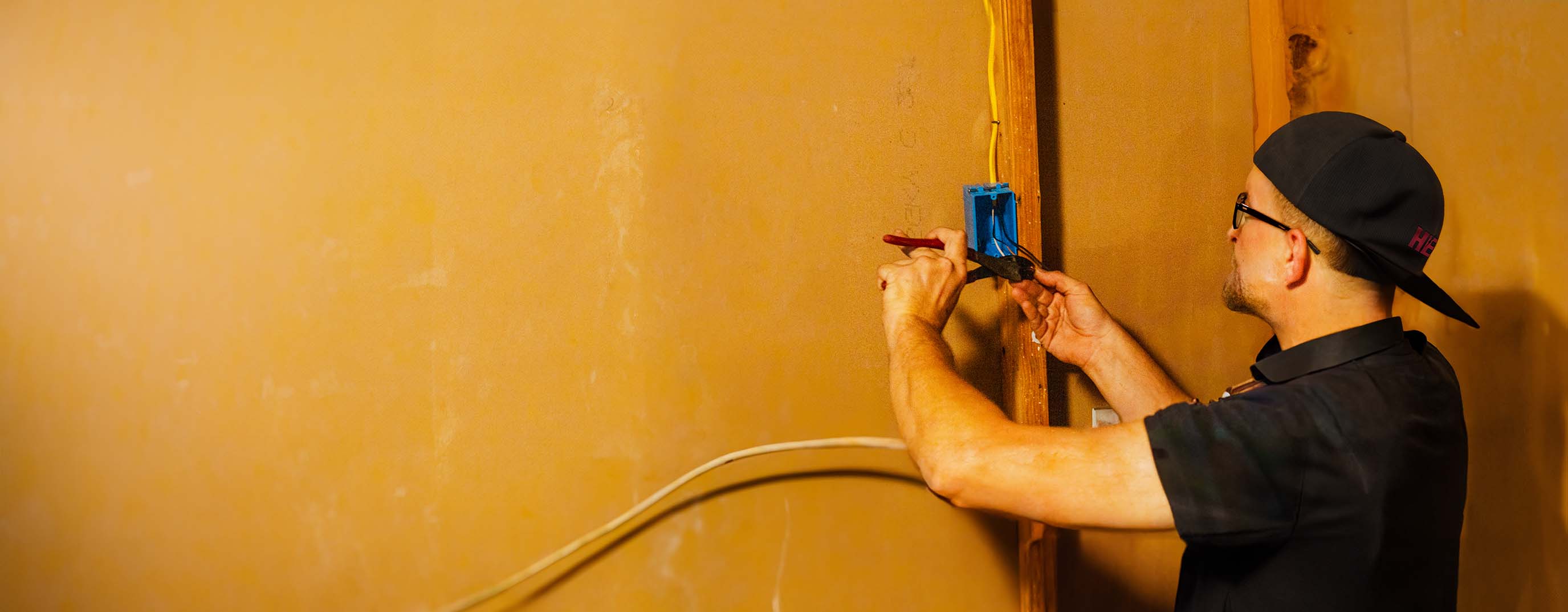
Transform the safety and functionality of your Oak Ridge home with HEP's professional whole-home rewire service. Enjoy seamless electrical performance, enhanced safety, and the convenience of modern technology integration. Our licensed electricians are committed to delivering meticulous craftsmanship, ensuring your home's wiring system meets all current standards. Whether you're updating an older property or planning a major renovation, trust HEP to illuminate your home with expertise and reliability. Live securely and efficiently with HEP's exceptional rewiring solutions.
What Our Customers Say


Comprehensive Whole Home Rewires in Oak Ridge by HEP
An aging or under-sized electrical system can silently undermine comfort, safety, and efficiency. In Oak Ridge, where homes of every era line the neighborhoods, HEP delivers complete whole home rewires that fortify living spaces against outages, shorts, and hidden hazards. This in-depth guide explores what rewiring involves, why it matters in Oak Ridge specifically, and how HEP executes projects from first inspection to final circuit test.
Why Oak Ridge Homes Often Need a Full Rewire
Oak Ridge’s housing stock ranges from mid-century ranches to modern builds. Each era brings different wiring conventions, and many older homes still rely on materials or layouts that no longer meet present-day electrical demand. Typical reasons homeowners decide on a full rewire include:
- Outdated aluminum branch circuits or cloth-insulated wiring
- Limited amperage service panels unable to support HVAC upgrades, EV chargers, or home offices
- Frequent tripped breakers, flickering lights, or warm switch plates
- Lack of grounding conductors in receptacle circuits
- Limited receptacle count leading to hazardous extension-cord chains
- Renovations that expose unsafe splices, open junctions, or deteriorated insulation
Modern lifestyles layer in high-wattage appliances, smart home hubs, and sensitive electronics. Without the proper infrastructure, Oak Ridge residents risk everything from nuisance outages to severe electrical fires. A professionally executed rewire by HEP removes that uncertainty and prepares the home for decades of safe, reliable power.
The HEP Approach to Whole House Rewiring
HEP’s licensed electricians follow a meticulously phased process tailored to Oak Ridge’s local building codes and utility standards. Each step secures compliance, minimizes disruption, and guarantees a long-term result.
1. Detailed Load Analysis and Inspection
Every project begins with a circuit-by-circuit evaluation. Electricians assess:
- Existing service panel capacity and main disconnect rating
- Branch circuit gauge, conductor type, and insulation integrity
- Grounding and bonding pathway continuity
- Receptacle, switch, and fixture count relative to current code
- Homeowner power usage projections, including future EV or solar plans
Load calculations clarify the required service upgrade (often 200 amps) and the number of branch circuits needed to distribute demand safely. HEP documents all findings and maps out a rewire blueprint that Oak Ridge building officials can easily review for permitting.
2. Permit Coordination and Code Adherence
Oak Ridge adopts the National Electrical Code (NEC) alongside specific municipal amendments. HEP’s team prepares the permit packet, handles submissions, and schedules inspections at mandated milestones. Throughout, electricians implement:
- Proper arc-fault and ground-fault circuit-interrupter placement
- Tamper-resistant receptacles in defined locations
- Correct conductor sizes for circuit length and load
- Secure bonding of metal piping, structural steel, and auxiliary electrodes
- Labeling and directory standards for panels and sub-panels
By embedding these requirements from day one, HEP eliminates costly rework and ensures the final installation passes every inspection checkpoint.
3. Strategic Demolition and Rough-In
Rewiring does not have to leave a patchwork of scars across drywall. HEP employs minimally invasive methods, using existing chases, attic cavities, and crawl spaces whenever possible. The crew:
- Removes outdated conductors and junctions
- Drills new pathways only where necessary, marking cut lines around studs and joists for clean repair
- Installs nail plates to protect cables from future fastener punctures
- Sets new switch and receptacle boxes at uniform heights for consistent aesthetics
- Locks in staple spacing and bend radius practices that protect insulation
During the rough-in phase, each cable is labeled, and temporary power solutions maintain household conveniences without compromising safety.
4. Panel Replacement and Service Upgrade
If the existing panel is undersized or obsolete, HEP swaps it for a modern load center with:
- Copper bus bars to resist corrosion
- Ample breaker space for expansion
- Integrated surge protection options
- Clear labeling that reflects the new circuit layout
For homes still running 100-amp service, HEP coordinates with local utilities to size conductors, mast assemblies, and meter bases for a seamless transition to higher capacity. With outdoor components weather-sealed, the service entrance meets both NEC and Oak Ridge climatic demands.
5. Trim-Out and Device Installation
Once walls are closed, electricians move to trim-out. Tasks include:
- Installing receptacles, switches, dimmers, and smart devices
- Mounting luminaires, ceiling fans, and under-cabinet lights
- Balancing multi-wire branch circuits to evenly distribute loads
- Testing continuity, polarity, and correct breaker sizing
- Programming smart breakers or energy-monitoring systems if requested
At this stage, homeowners can begin to experience improved lighting layouts, strategically placed outlets, and quieter HVAC startup thanks to balanced circuits.
6. Final Testing and Sign-Off
Before turning the project over, HEP conducts a multi-step verification:
- Infrared scanning to detect hot spots or loose connections
- Ground impedance and bonding continuity checks
- Breaker trip testing for arc-fault and ground-fault devices
- Voltage drop measurement on long runs
- Documentation of all panel directories and circuit IDs
Only after passing municipal final inspection does HEP declare the rewire complete.
Benefits Homeowners Experience After a HEP Whole Home Rewire
The advantages extend beyond simple code compliance. Oak Ridge residents notice tangible improvements in everyday living.
Enhanced Electrical Safety
- Reduced risk of electrical fires through modern insulation, breakers, and grounded circuits
- Elimination of back-stabbed connections and aluminum terminations that loosen over time
- Protection of sensitive electronics via clean grounding and optional surge suppression
Consistent Power Delivery
- Fewer nuisance trips as dedicated circuits isolate heavy draws like microwaves and space heaters
- Voltage stability that protects LED lighting and smart devices from flicker or failure
- Adequate capacity for future upgrades, ensuring homeowners aren’t boxed in by an under-sized panel
Increased Property Value
- New owners appreciate documented compliance with the latest NEC cycle
- Appraisers often assign premium value when a rewire replaces knob-and-tube or aluminum branch circuits
- Insurance providers may extend favorable terms for homes with upgraded electrical systems
Energy Efficiency Opportunities
- Correct conductor sizing reduces resistive losses, subtly lowering utility bills
- Smart breakers and energy monitors help homeowners track usage patterns and identify waste
- Modern lighting circuits enable widespread adoption of efficient LED fixtures
Key Components HEP Uses During a Whole Home Rewire
Not all wiring materials or devices are created equal. HEP specifies high-quality products designed for longevity in Oak Ridge’s humid subtropical climate.
Copper NM-B Cable
- Solid copper conductors resist creep and maintain secure terminations
- PVC jacket tolerates attic temperature swings without brittle cracking
- Integrated ground wire simplifies bonding requirements
AFCI/GFCI Combination Breakers
- Provide both arc-fault and ground-fault protection on critical circuits
- Reduce device clutter by combining safety functions in the panel
- Offer trip history indicators to aid troubleshooting
Heavy-Duty Steel Device Boxes
- Deep boxes accommodate bulky smart switches and dimmers
- Welded ear tabs prevent stripping during device removal or upgrade
- Galvanized steel resists rust in humid crawl spaces
Whole-House Surge Protectors (Optional)
- Divert transient voltage spikes from lightning or utility switching
- Extend lifespan of appliances and consumer electronics
- Mounted at the main service for streamlined maintenance
Common Misconceptions About Rewiring
Addressing myths helps homeowners make better decisions.
“Rewiring Means Gutting All Walls”
Modern techniques allow targeted demolition:
- Crawl space and attic access often handle 70–80% of cable runs
- Surface-mounted conduit can route around finished spaces if tearing into walls is impractical
- Plaster walls can be protected by drilling behind baseboards and crown molding
“A New Panel Solves Everything Without Rewiring”
Upgrading the load center alone does not replace undersized or deteriorated branch circuits. True safety and capacity gains come from matching updated distribution wiring with the new service equipment.
“Only Old Homes Need Rewiring”
Even homes built in the 1990s may lack enough circuits for today’s electronics, or they may rely on wiring schemes that pre-date current AFCI mandates. HEP evaluates each property on its unique merits rather than age alone.
Preparing Your Oak Ridge Home for a Rewire
Homeowners can take several steps to streamline the process:
- Clear attic walkways and crawl-space entrances of stored items
- Identify valuable wall hangings or built-ins that need special protection
- Communicate any planned renovations so electricians can coordinate wiring pathways with future structural changes
- Label must-have circuits for temporary power, such as refrigeration or medical devices
HEP provides a pre-project checklist, but proactive homeowner involvement accelerates timelines and reduces surprises.
Environmental Considerations Specific to Oak Ridge
Oak Ridge sits in a region that sees both hot, humid summers and occasional winter freezes, influencing electrical design choices.
Humidity and Heat
- Elevated attic temperatures demand conductor insulation rated for 90 °C
- Corrosion-resistant fittings prevent rust on outdoor equipment exposed to afternoon thunderstorms
Seismic Activity
While Tennessee’s seismic risk is moderate, HEP still installs secure bracing for panels and masts in accordance with local guidelines, ensuring stability during tremors.
Storm-Related Power Fluctuations
Frequent thunderstorm seasons produce voltage spikes. Whole-house surge protection pairs with proper grounding to tame these transients and protect household electronics.
How Rewiring Integrates With Other Home Upgrades
A whole house rewire often dovetails with parallel projects:
Solar Photovoltaic Integration
- Dedicated sub-panel for solar breakers
- Conduit paths sized for inverter and battery cabling
- Rapid-shutdown compliance built into conductor layout
Electric Vehicle Charging Readiness
- 40- to 60-amp circuits run to garage or driveway pedestals
- Conductor gauge and insulation selected for future continuous loads
- Spare conduit installed for potential second charger
Smart Home Automation
- Cat6 or fiber cabling clustered near the new service panel
- Low-voltage raceways separated from power conductors to reduce interference
- In-wall power supply boxes for Wi-Fi access points and PoE switches
Integrating these considerations during a rewire avoids the expense of opening walls later.
Lifespan and Maintenance of a Newly Rewired Home
Expected Service Life
Copper conductors and modern insulation have an anticipated lifespan exceeding 70 years under normal conditions. Breakers may need replacement every 25–30 years depending on usage.
Routine Maintenance
- Annual thermal scanning can identify loose lugs before they overheat
- Panel directories benefit from updates when homeowners add circuits
- GFCI and AFCI breakers should be tested monthly via their internal buttons
HEP educates homeowners on maintenance best practices to protect the investment.
Indicators That Trigger a Future Electrical Assessment After Rewire
Even with a brand-new installation, lifestyle changes can alter load profiles. Watch for:
- Addition of high-demand equipment such as hot tubs, woodworking machinery, or cryptocurrency miners
- Expansion of living space through finished basements or attic build-outs
- Noticeable dimming when large appliances start, signaling voltage drop beyond design tolerances
Early consultation prevents overloads that could diminish the benefits of the original upgrade.
Rewiring Project Timeline Overview
While each Oak Ridge property differs, typical phases unfold as follows:
- Pre-planning and permitting: 1–2 weeks
- Rough-in and demolition: 4–10 days
- Inspection and wall closure: 1–3 days pending inspector schedule
- Trim-out and final testing: 2–4 days
Variables include square footage, attic or crawl space accessibility, and complexity of smart device installations.
Factors That Extend Timelines
- Lathe-and-plaster walls requiring specialized cutting and repair
- Asbestos or lead paint mitigation priorities
- Previously undocumented remodels with hidden wiring shortcuts
- Severe weather delaying exterior service work
HEP builds scheduling flexibility into every contract to accommodate these possibilities without compromising workmanship.
Compliance Documentation Delivered by HEP
Upon project completion, homeowners receive a comprehensive package:
- Permit applications and approved inspection reports
- One-line diagrams showing circuit routes, conductor sizes, and protective devices
- Manufacturer installation manuals for panels, breakers, and surge suppressors
- Warranty information for labor and materials
- Maintenance log templates
This documentation proves invaluable during future insurance claims, resale transactions, or system modifications.
Oak Ridge Building Code Highlights
Local amendments to the NEC that influence rewire projects include:
- Requirement for AFCI protection on all habitable room outlets, including finished basements
- Mandatory tamper-resistant receptacles for areas accessible to children
- Weather-resistant receptacles on all outdoor circuits, even when covered
- Stricter service mast height regulations due to city tree canopy considerations
HEP’s familiarity with these nuances ensures inspections proceed smoothly and the final work stands robust against code cycles to come.
Material Recycling and Environmental Stewardship
Removing outdated wiring generates recyclable scrap, and HEP manages disposal responsibly:
- Copper and aluminum conductors sorted for metal reclamation
- Breaker panels and metallic conduit sent to authorized recyclers
- Mercury-containing thermostats or fluorescent ballasts handled per EPA guidelines
Proper recycling practices reduce landfill impact and support sustainable project outcomes.
Skill Sets Represented on a HEP Rewire Team
Successful whole home rewires demand a multi-disciplinary crew:
- Master electrician for code oversight and permit liaison
- Journeyman electricians executing conductor pulls and device terminations
- Apprentice helpers maintaining tool readiness and site cleanliness
- Drywall and paint specialists handling surface restoration post-rough-in
- Low-voltage technicians coordinating data cabling and smart integrations
Each professional role contributes to a polished final product with minimal disruption to household routines.
Interior Aesthetic Upgrades Enabled by Rewiring
Electrical updates often open doors to interior improvements unfeasible under legacy wiring:
- Recessed LED downlights create a modern ambiance without ceiling clutter
- Strategically placed USB-combo receptacles reduce countertop chaos
- Dimmer networks let occupants customize mood lighting in entertainment spaces
- In-wall audio amplification circuits support clean, wire-free home theater layouts
Because HEP coordinates electrical rough-in with finish plans, these features integrate seamlessly into the home’s new design language.
Safety Protocols Followed During Rewire Operations
HEP institutes rigorous protections:
- Lockout/tagout procedures on de-energized circuits
- Poly sheeting dust barriers to contain debris
- HEPA filtration vacuums minimizing airborne particulates
- Daily site walkthroughs to remove fasteners or conductor scraps from flooring
- Load-balanced temporary power arrangements preventing overloaded cords
Such measures safeguard both occupants and crew while preserving the property.
Signs of Substandard Wiring Discovered During Oak Ridge Projects
While performing rewires, HEP’s electricians frequently encounter telltale shortcuts:
- Open junction boxes buried behind drywall
- Daisy-chained receptacles exceeding conductor ampacity
- Mixed copper and aluminum splices without approved connectors
- Extension cords run through walls as makeshift permanent wiring
- Over-fused circuits where breaker rating exceeds conductor capacity
Replacing these hazards early prevents catastrophic outcomes later.
Future-Proofing Strategies Embedded in Every HEP Rewire
Technology evolves, and so does the demand on residential electrical systems. HEP future-proofs by:
- Installing oversized conduit runs in key chases for easy cable pulls
- Allocating blank spaces in panelboards for later circuit additions
- Using structured wiring panels to centralize data, coax, and fiber terminations
- Roughed-in backer blocks at television mount heights for concealed power and data
- Configuring multi-gigabit rated Cat6A or fiber to high-traffic media locations
These provisions position Oak Ridge homeowners to adopt forthcoming innovations with minimal disruption.
Specialty Rooms and Their Unique Electrical Needs
Each area of a house carries specific load and code requirements.
Kitchens
- Split-duplex countertop receptacles on individual 20-amp circuits
- Dedicated lines for microwave, dishwasher, disposal, range, and refrigerator
- GFCI protection within 6 feet of sinks and on all island receptacles
Bathrooms
- 20-amp small-appliance branch circuits isolated from lighting loads
- GFCI protection on all receptacles
- Heater/vent/fan combos wired with separate switching for energy efficiency
Home Offices
- Surge-protected receptacle circuits for sensitive electronics
- Structured cabling drops for reliable, high-bandwidth connectivity
- Isolated ground options for audio or broadcast equipment
Workshops and Garages
- Higher amperage receptacles at bench height for power tools
- Multi-wire branch circuits allowing simultaneous device use without overload
- Ambient lighting circuits independent of receptacle loads for safety during tool operation
HEP designs each specialty zone to keep function and safety in perfect balance.
Addressing Electromagnetic Compatibility (EMC)
With the proliferation of smart devices, EMC considerations grow. HEP mitigates interference by:
- Separating power and data pathways at least 12 inches where possible
- Using shielded Cat6A cables in high-noise environments
- Maintaining proper grounding to dissipate RF interference
- Avoiding shared conduits for power and signal lines
This focus preserves Wi-Fi performance, audio fidelity, and overall device reliability.
Fire-Stopping and Building Envelope Integrity
Penetrations through studs, plates, and top caps during rewiring must be sealed against both fire and air infiltration. HEP applies:
- Fire-rated caulks or intumescent putties at penetrations
- Insulation patches maintaining thermal boundaries
- Vapor barrier repairs in climate zones requiring continuous air sealing
These steps ensure the electrical upgrade does not compromise the home’s fire rating or energy efficiency.
Post-Rewire Documentation Storage Tips for Homeowners
- Keep digital copies of permits and diagrams in cloud storage for easy retrieval
- Print backup sets stored in a waterproof, fire-resistant safe
- Photograph panel directories and upload images with time stamps
- Note breaker trip histories in a maintenance journal for future diagnostics
Organized documentation simplifies maintenance and enhances resale transparency.
Common Electrical Add-Ons Often Bundled With Rewires
While the walls are open, many Oak Ridge homeowners seize the chance to incorporate:
- Whole-home audio speaker wire routing
- Central vacuum power and tubing infrastructure
- Security system low-voltage cabling
- Intercom or video doorbell wiring up to attic hubs
Bundling these systems with a rewire reduces labor overhead and unifies all low-voltage needs under one project umbrella.
Neighborhood Considerations Unique to Oak Ridge Subdivisions
Oak Ridge features planned communities with shared utility easements. HEP coordinates:
- Trench routes for upgraded underground service laterals
- Compliance with homeowners association (HOA) architectural standards for meter placement
- Noise control measures during weekday work hours in closely spaced lots
- Driveway and sidewalk protection when service conductors cross beneath pavement
Understanding neighborhood nuances keeps projects on good terms with local governance and close-by neighbors.
Final Quality Markers of a Professional Whole Home Rewire
Oak Ridge homeowners recognize top-tier craftsmanship by noting:
- Breaker panels with straight, color-coded conductor runs and neatly bundled neutrals
- Device boxes aligned flush with finished surfaces, free of paint overspray
- Consistent torque on terminal screws verified with calibrated tools
- Uniform labeling fonts on directories and receptacles
- Clean job site turnover with no debris or stray fasteners remaining
HEP treats these finishing touches as non-negotiable standards, cementing long-term satisfaction and reliable electrical performance.
Proudly Serving Our Community
Find your local experts in your neighborhood. We're just around the corner.